A Guide to Common Casting Defects and How to Avoid Them
Casting is a widely used manufacturing process, where molten metal is poured into molds to create complex and precise components for various industries. However, like any other production method, casting is not without its challenges. From industrial castings to automotive castings and steel castings, defects can arise at various stages, impacting the final product’s quality and performance. In this blog, we’ll explore some of the most common casting defects, their causes, and how to avoid them in order to ensure the integrity of your cast components.
What Are Casting Defects?
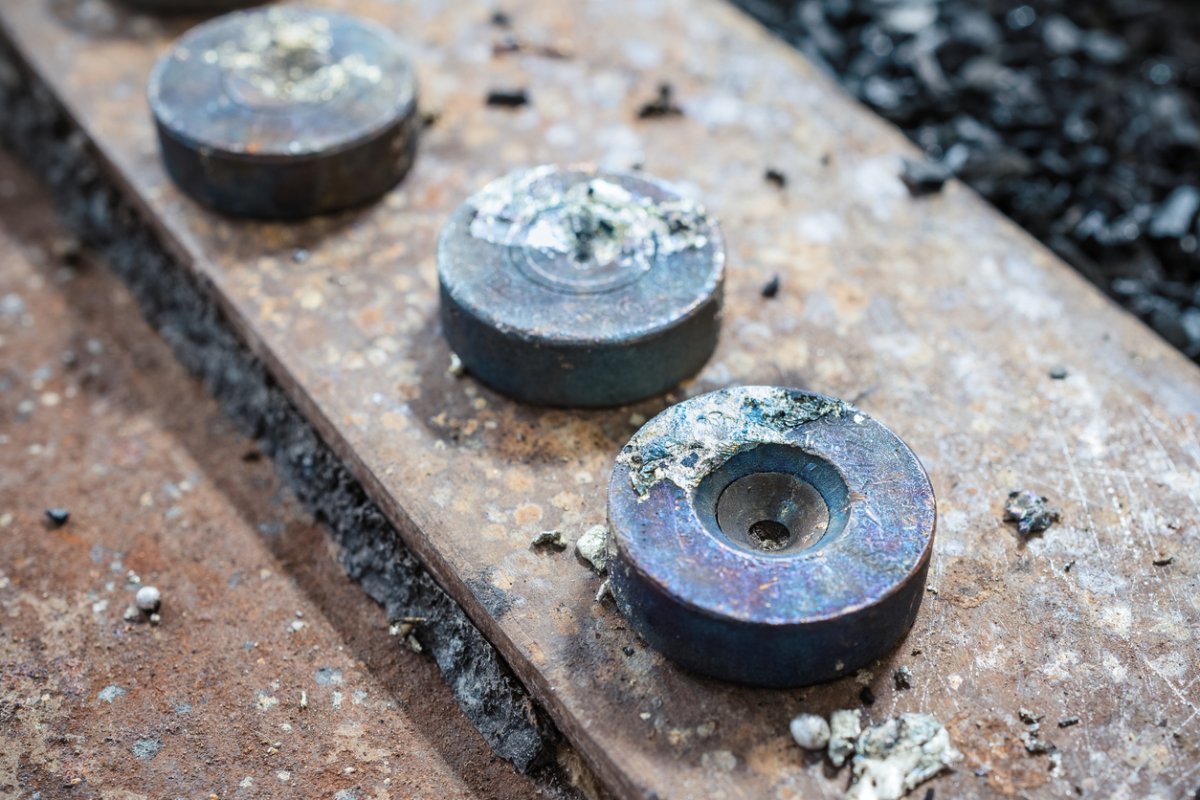
Casting defects are irregularities that occur during the casting process, resulting in poor-quality products. These defects can affect a part’s functionality, appearance, or durability, and can lead to delays, increased costs, or failure of the component in use. Whether you’re working with automotive castings, steel for oil and gas industry components, mining casting, pump castings, or components made by aluminum casting manufacturers, understanding these defects is crucial to producing high-quality parts.
1. Porosity
Porosity refers to the formation of small holes or voids within the casting, caused by trapped gas, moisture, or shrinkage during solidification. This is one of the most common defects in industrial castings and can significantly weaken the material.
- Causes:
- Excessive gas absorption during melting or pouring.
- Improper mold design or venting.
- High pour temperatures or rapid cooling.
- How to Avoid It:
- Ensure proper venting and degassing of the molten metal to eliminate trapped gases.
- Control pouring temperatures and speeds to avoid excessive turbulence.
- Use the appropriate sand or mold materials to prevent gas absorption.
- In steel casting or pump castings, consider using vacuum casting techniques to reduce porosity.
2. Shrinkage Defects
Shrinkage defects occur when the material contracts during cooling, causing voids or cracks in the finished product. These defects are particularly common in larger automotive castings or steel for oil and gas industry components, where the size of the casting can create uneven cooling and solidification.
- Causes:
- Uneven cooling rates due to improper gating or inadequate mold design.
- Large section thickness variations in the casting.
- Inappropriate pouring temperatures.
- How to Avoid It:
- Use appropriate gating and riser designs to ensure uniform cooling and prevent shrinkage.
- For mining casting and pump castings, carefully consider wall thickness and maintain consistent cross-sectional areas to minimize shrinkage.
- Ensure the use of high-quality mold materials to support uniform cooling.
- Monitor pour temperature to avoid excessive solidification.
3. Cold Shuts
A cold shut occurs when the molten metal flow is interrupted before it completely fills the mold, resulting in a weak, incomplete casting. This defect often manifests in thin-walled sections and can compromise the overall integrity of industrial castings and automotive castings.
- Causes:
- Low pouring temperatures.
- Inadequate gating system.
- Uneven metal flow.
- How to Avoid It:
- Increase the pouring temperature to ensure the molten metal stays fluid for longer.
- Optimize the gating and runner systems to ensure the metal fills the mold smoothly.
- Consider the use of aluminum casting manufacturers’ techniques, such as ensuring the right alloy or metal mixture to improve flow characteristics.
4. Mold Shifting or Mismatch
Mold shifting or mismatch occurs when the mold halves do not align correctly, causing misalignment of the final casting. This issue often leads to inaccurate dimensions or surface irregularities, especially in precision components like automotive castings.
- Causes:
- Poor mold alignment during setup.
- Wear and tear of the mold or pattern.
- Improper mold clamping or securing.
- How to Avoid It:
- Regularly inspect and maintain molds to ensure they remain in good condition.
- Use proper mold clamping techniques and fixtures to keep molds securely in place.
- For steel casting or steel for oil and gas industry components, invest in high-precision molds for accurate alignment and uniformity.
5. Hot Tears
Hot tears are cracks that form in a casting while the metal is still in a semi-solid state. These defects are common in large castings, such as steel for oil and gas industry or mining castings, due to the stresses of cooling and contraction.
- Causes:
- Uneven cooling or solidification.
- Thick section areas that cool slower than thinner areas.
- Inadequate mold design to accommodate thermal stresses.
- How to Avoid It:
- Design molds with appropriate thickness and uniform cooling properties.
- Control the cooling rate to avoid stresses in the casting.
- Use materials with low thermal expansion coefficients, especially for steel casting.
6. Inclusions
Inclusions are non-metallic impurities or foreign particles trapped within the casting, often found in pump castings and automotive castings. These can compromise the casting’s structural integrity and functionality.
- Causes:
- Contaminated materials or improper handling of the molten metal.
- Improper mold material or sand that generates foreign particles.
- Lack of filtration systems.
- How to Avoid It:
- Use high-quality raw materials and thoroughly filter the molten metal before pouring.
- Implement proper slag removal techniques and ensure a clean casting environment.
- For mining castings, consider investing in filtration systems that remove impurities from the melt before pouring.
7. Surface Defects
Surface defects, such as roughness, cracks, or pits, are visible flaws that affect the appearance and functionality of the final product. These are often caused by mold imperfections, poor pouring practices, or improper cooling.
- Causes:
- Poor mold surface finish.
- Excessive gas or moisture in the mold material.
- Abrupt cooling or temperature variations.
- How to Avoid It:
- Ensure proper surface treatment and finish for molds.
- Control moisture levels in the mold materials to prevent gas formation.
- Optimize cooling rates to prevent surface cracking or pitting.
Conclusion: How to Ensure Quality Castings
Avoiding casting defects requires attention to detail and careful planning at every stage of the casting process. Whether you are producing industrial castings, automotive castings, steel casting, mining castings, pump castings, or components used in the steel for oil and gas industry, it’s crucial to:
- Select the right materials and alloys for your specific application.
- Optimize mold design to ensure uniform cooling, proper metal flow, and strength.
- Implement regular quality control measures and inspections to catch issues early in the process.
- Work with experienced suppliers, such as aluminum casting manufacturers, who can guide you through the best casting methods and techniques.
By being proactive and understanding the causes of common casting defects, you can avoid costly mistakes, reduce production time, and deliver high-quality, durable cast components for any application.