
For our full range of products and services, choose the relevant catalogue.
Steel Castings – Carbon, Low-Alloy & Manganese
ASTM A216 · A148 · A128 · US, Australia and New Zealand
Carbon, low-alloy and manganese steel castings to ASTM A216, A148 and A128, cast in sand, shell mold and investment for customers in the US, Australia and New Zealand, then supplied raw or machined to print.
Carbon, Low-Alloy and Manganese Steel Grades
A steel casting is usually specified long before it is sourced: the grade on the drawing, the load or pressure it carries and the inspection it has to pass. This page sets out the steel grades Kormax casts for customers in the US, Australia and New Zealand, the casting processes that suit them, and the inspection and documentation that come with them.
Each part is matched to the foundry in the Kormax foundry network best suited to its size, grade and volume. Kormax then manages the job through a single point of contact: drawing review, tooling, sample approval, production, machining, inspection and shipping.
All Steel Grades
Grades Cast Most Often
The five grades below cover most steel casting enquiries. Figures are the minimums each standard sets, except where marked as typical.
| Grade | Type | Tensile strength | Yield strength, min | Elongation, min | Typically specified for |
|---|---|---|---|---|---|
| A216 WCB | Carbon steel | 70–95 ksi (485–655 MPa) | 36 ksi (250 MPa) | 22% | Valve bodies, pump casings, flanges and fittings |
| A148 Gr 80-50 | Low-alloy steel | 80 ksi (550 MPa) min | 50 ksi (345 MPa) | 22% | Structural castings welded into fabricated assemblies |
| A148 Gr 90-60 | Low-alloy steel | 90 ksi (620 MPa) min | 60 ksi (415 MPa) | 20% | Heavy machinery frames, gearbox housings, mining and earthmoving parts |
| A148 Gr 105-85 | Low-alloy steel | 105 ksi (725 MPa) min | 85 ksi (585 MPa) | 17% | Lifting and rigging parts, track shoes, heavy structural connections |
| A128 Grade A | Austenitic manganese steel | 113 ksi (780 MPa)* | 58 ksi (400 MPa)* | 30%* | Crusher jaws and cones, hammers, dredge parts, rail crossings |
A216 WCB tensile strength is a specified range, not a minimum. *ASTM A128 specifies composition and heat treatment but no mechanical properties, so A128 figures are typical values.
A216 WCB covers most pressure-containing parts where carbon steel is suitable, and its controlled carbon and manganese let it be welded without preheat in most sections. A148 grades are defined by strength class: the grade number is the minimum tensile and yield in ksi. Elongation falls as strength rises, from 22% at Grade 80-50 to 17% at Grade 105-85, so the lowest grade that carries the design load is usually the one to specify for a welded or impact-loaded part.
A128 Grade A is delivered at around 200 HB and work-hardens to 500–550 HB at the wearing surface under impact while the core stays tough, which suits parts that are struck rather than simply abraded.
Full grade ranges: Carbon Steel Alloys (ASTM A216 WCA, WCB, WCC) · Low Alloy Steels (ASTM A148, A958) · Manganese Steel Alloys (ASTM A128)
Casting Processes
Part size, volume and the finish required usually decide the process.
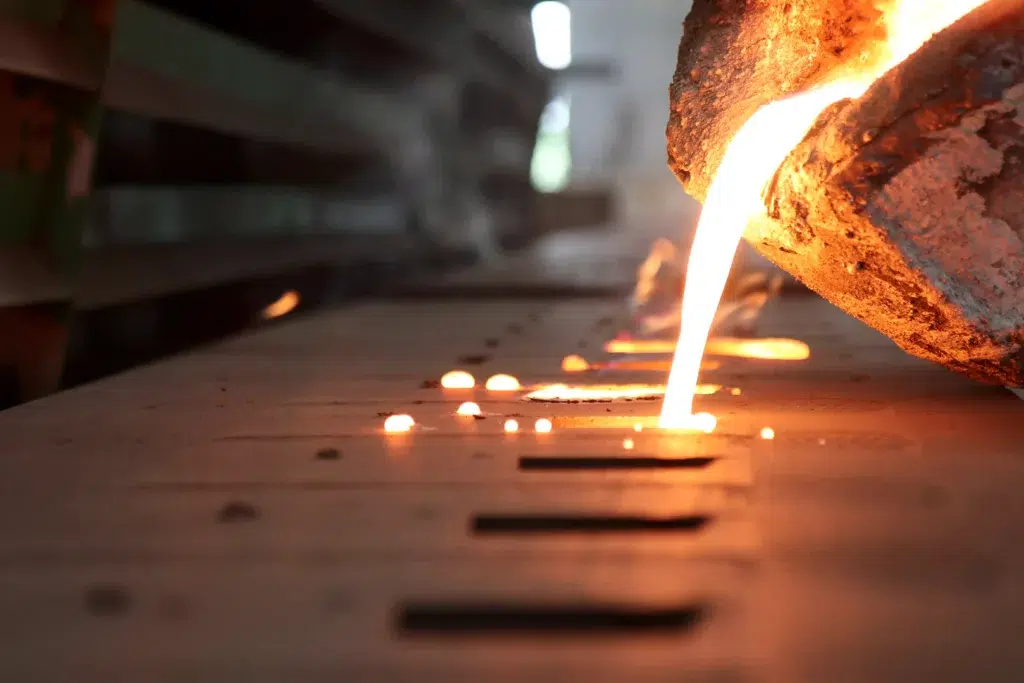
Green Sand Casting
1 – 165 lb (0.5 – 75 kg)
Moist, clay-bonded sand molds. Low tooling cost and fast mold preparation make green sand the economical choice for repeat production in ferrous and non-ferrous alloys.
No-Bake Sand Casting
100 lb (45 kg) to over 110,000 lb (50,000 kg)
Chemically bonded sand cures at room temperature into a rigid mold that holds its shape for large, heavy-section components. Low-cost tooling suits low to medium volumes.
Shell Mold Casting
0.2 – 220 lb (0.1 – 100 kg)
Resin-coated sand cured against a heated metal pattern gives a very good as-cast finish and close part-to-part repeatability, which reduces machining on production runs. The metal pattern costs more up front, so shell mold pays back at medium to high volumes.

Investment Casting
Up to 330 lb (150 kg) · 33 in (850 mm) envelope
Wax patterns coated in ceramic form a one-piece mold with no parting line, which gives the finest detail and as-cast finish of the four processes. Near-net shapes typically need little secondary machining; tooling cost depends on part complexity.
For customers in New Zealand and Australia, steel castings are also available by centrifugal and continuous casting.
Industries We Serve
The parts below are the steel castings specified most often, with the grades they are cast in.
Pumps, Valves and Fluid Power
Valve bodies, pump casings, flanges and manifold blocks in ASTM A216 WCB carbon steel, machined and pressure-tested to drawing.
Mining, Quarrying and Aggregate
Jaw and cheek plates, mantles, bowl liners and crusher hammers in ASTM A128 manganese steel, which work-hardens at the wearing surface under impact.
Off-Highway and Construction
Pivot and linkage housings, axle and transmission components and track shoes in ASTM A148 low-alloy steel, typically Grade 90-60 or 105-85.
Oil, Gas and Power Generation
Valve and pump bodies, compressor housings and pressure-containing parts in ASTM A216 WCB, with low-alloy grades for elevated temperature.
Defense
Castings include housings, brackets, and track components in ASTM A148 and A958 low-alloy steel, cast and machined to drawing.
Original Equipment Manufacturers (OEMs)
Gearbox, compressor, material handling and general industrial components for equipment builders, supplied raw for finishing or machined to print, from prototype to production quantities.
Quality Control
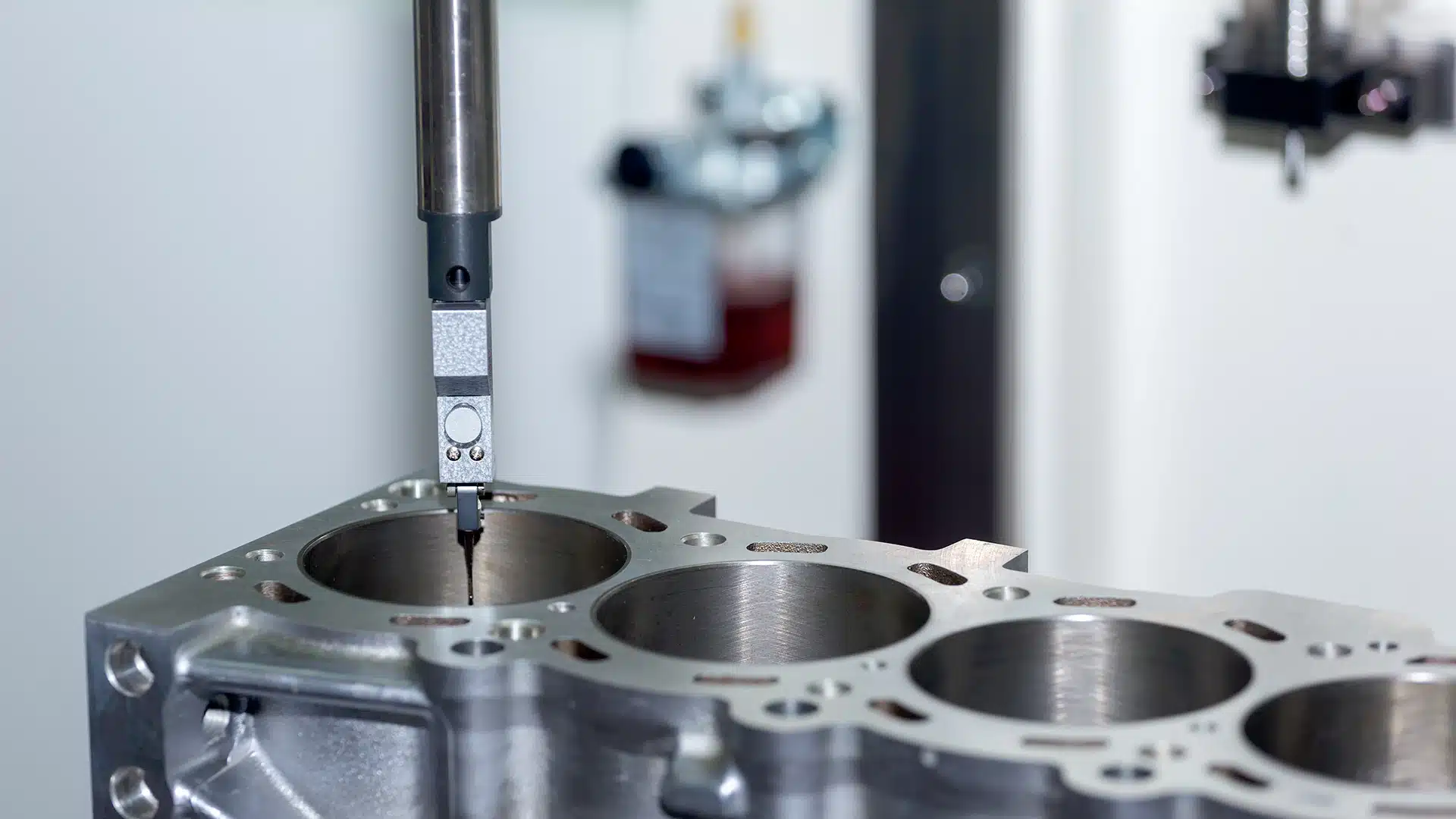
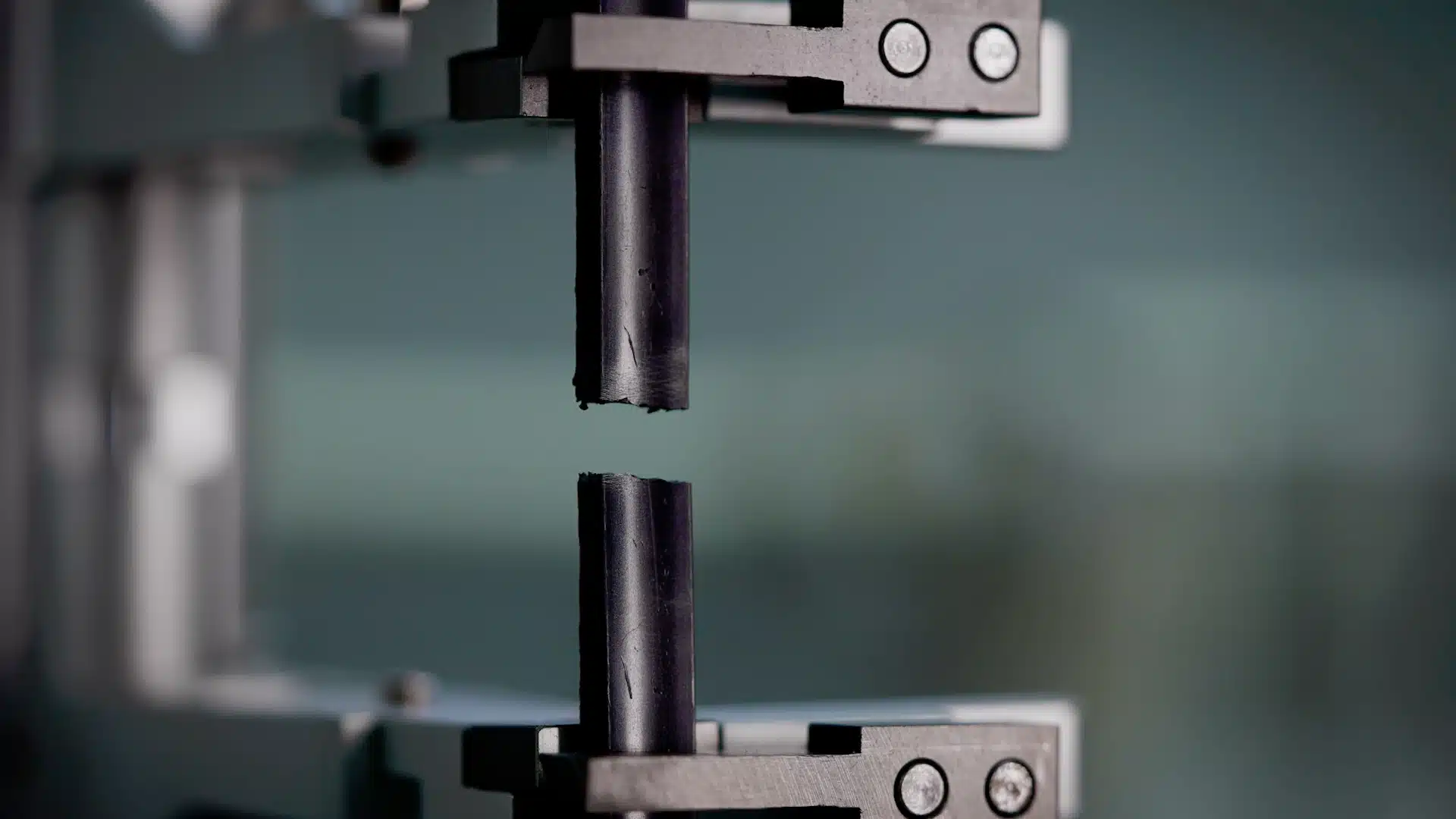
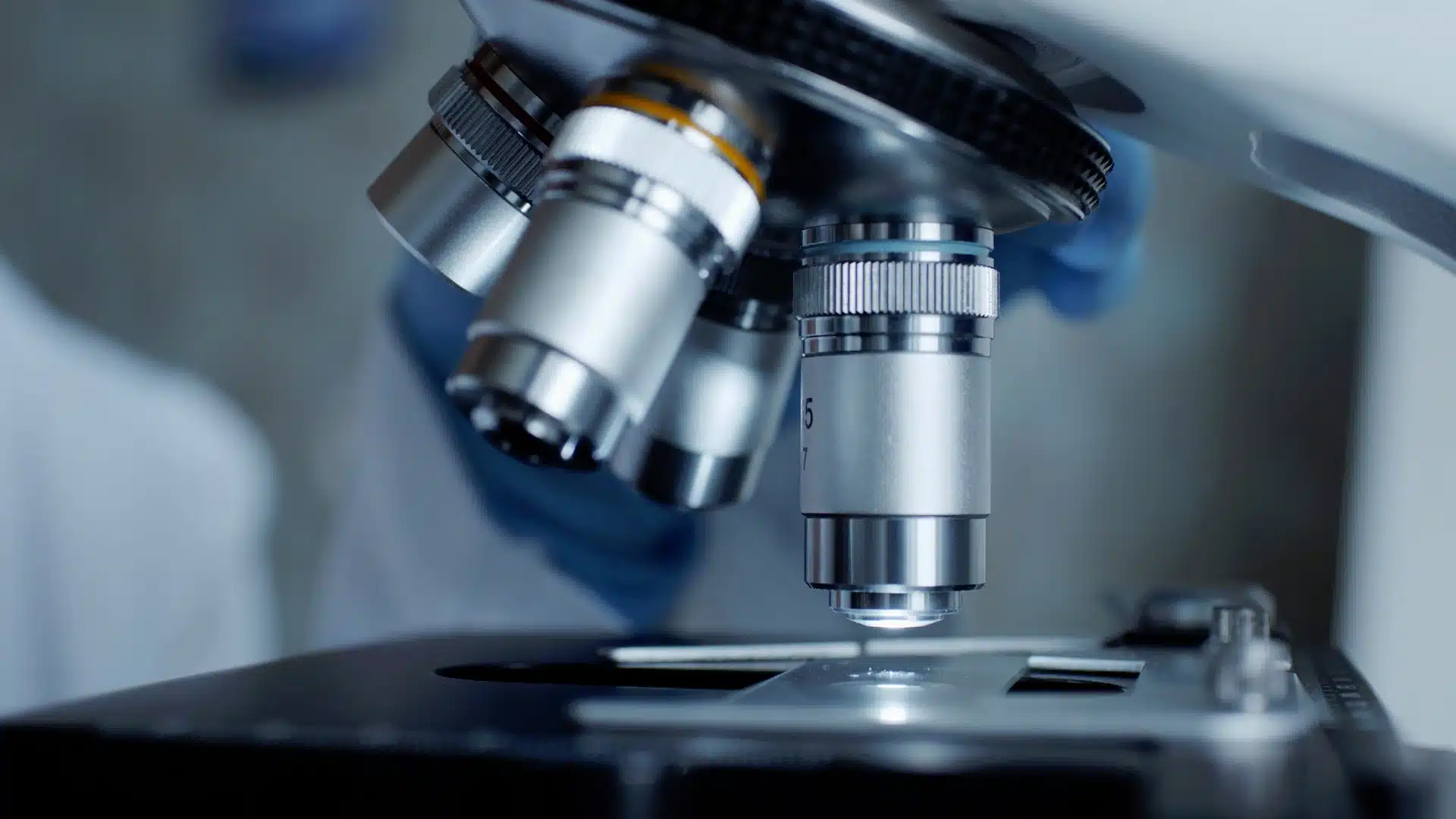
Every casting is made to the customer’s drawing and specification under a full PPAP and quality-control process. Inspection and testing available:
CMM inspection
Surface roughness and surface defect inspection
Radiographic inspection
Ultrasonic inspection
Magnetic particle inspection (MPI)
Dye penetrant inspection
Spectrographic chemical analysis
Tensile, impact and hardness testing
Other destructive testing on request
Independent third-party inspection is standard, and material certificates and inspection reports ship with every order.
Metallurgical Review Before Every Quote
Every enquiry is checked by Kormax metallurgists for alloy and process fit before it is quoted. For a steel casting that usually means confirming the grade against the service conditions, the section thickness and whether the part will be welded or heat treated.
Metallurgical review covers:
- Grade selection against load, pressure, temperature, impact and abrasion
- Weldability and heat treatment for the section size
- MAGMASOFT® casting simulation where the part needs it
Request a Quote
Kormax casts carbon, low-alloy and manganese steel to order for the US, Australia and New Zealand. Send your drawing and service conditions to request a quote.