Aluminium vs. Iron Castings: Which Material is Right for Your Project?
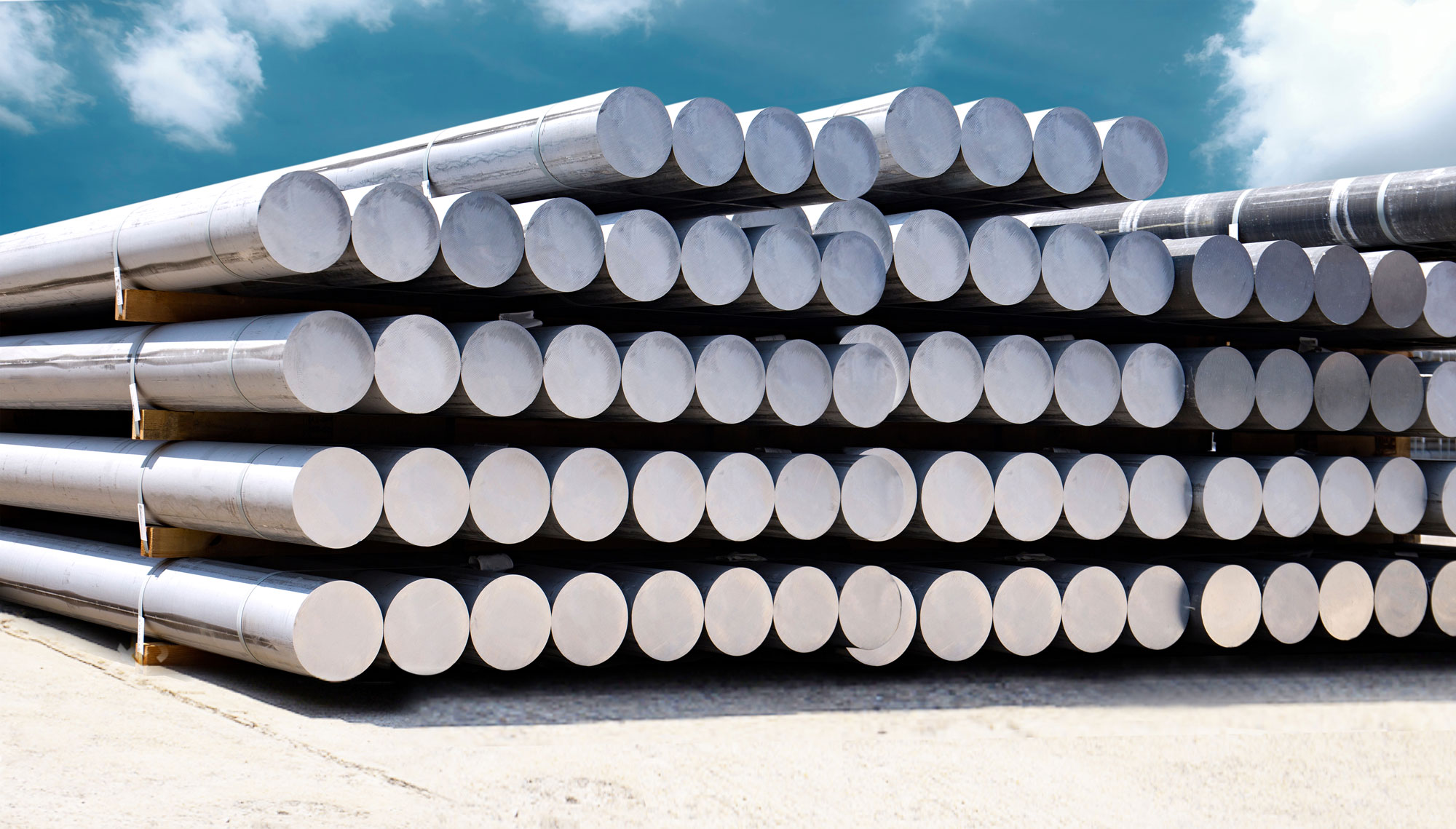
When it comes to choosing the right material for casting, two of the most commonly considered options are aluminum and iron. Both materials offer unique advantages, but which one is right for your project? In this blog, we’ll compare aluminum and iron castings to help you make an informed decision based on your needs. Whether you’re working with aluminum casting manufacturers or iron casting suppliers, understanding the differences between aluminum and iron is essential for selecting the right material for your next casting project.
Understanding the Basics of Aluminum and Iron Castings
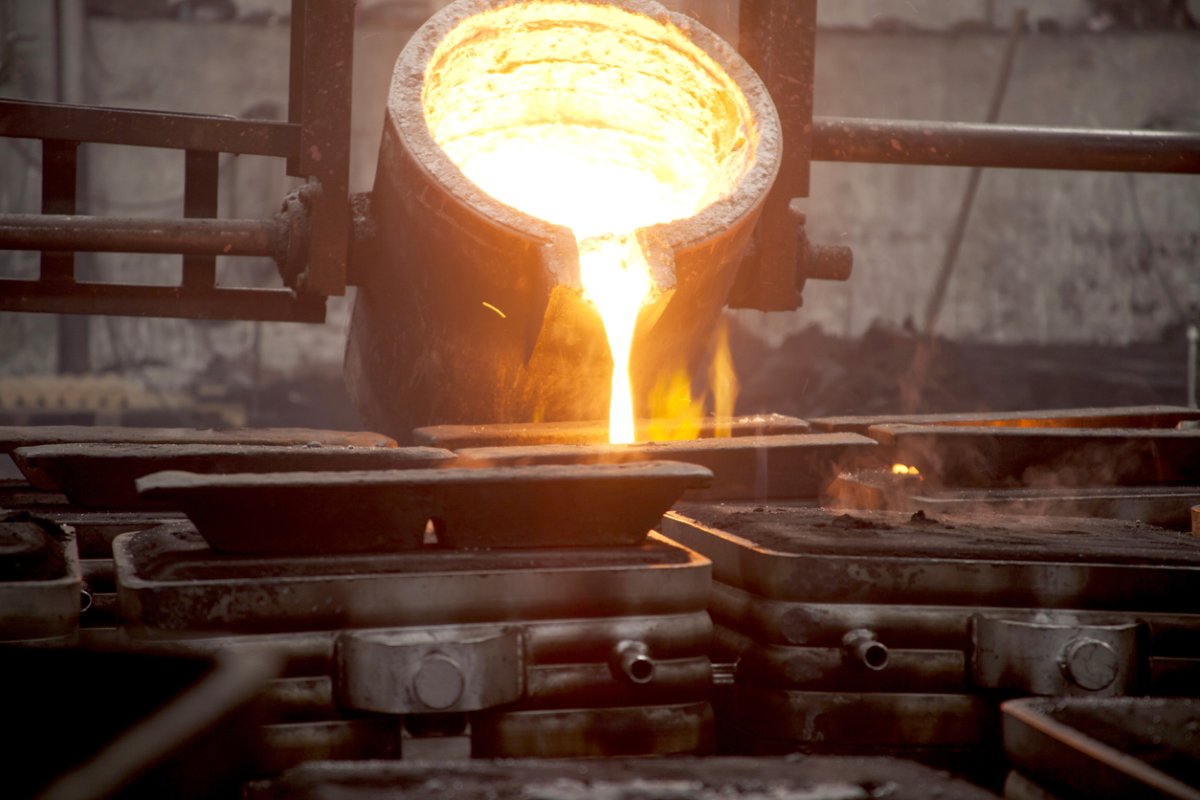
Before diving into the details, let’s first understand what casting is. Casting is a manufacturing process in which a material (usually metal) is poured into a mold to create a specific shape. Both aluminum and iron castings are popular in industries like automotive, aerospace, construction, and consumer goods due to their distinct properties.
- Aluminum Castings: Aluminum is known for being lightweight, corrosion-resistant, and highly versatile. The process of aluminum casting often involves aluminum die casting methods such as aluminum hpdc die casting (High-Pressure Die Casting) or aluminum pressure die casting (a method that involves injecting molten aluminum into a mold under high pressure).
- Iron Castings: Iron, specifically cast iron, is a popular choice in industries requiring strength and durability. Iron castings can be made using various techniques like sand casting and die casting, but iron’s heavier weight and higher density make it a preferred choice for more robust applications.
Now, let’s compare aluminum and iron castings across several important factors to determine which material is right for your project.
1. Weight and Strength
One of the most significant differences between aluminum and iron castings is their weight.
- Aluminum: Aluminum is lightweight, making it an ideal choice for projects where weight reduction is essential. For instance, aluminum die casting suppliers often supply components for automotive and aerospace applications where minimizing weight can improve fuel efficiency and performance.
- Iron: Iron, particularly cast iron, is much heavier and offers superior strength and durability. It is better suited for applications where high mechanical strength and wear resistance are required, such as industrial machinery and heavy-duty components.
Verdict: If you need a lightweight material, aluminum is the way to go. However, if strength and durability are the top priorities, iron castings might be your best bet.
2. Corrosion Resistance
Corrosion resistance is another critical factor when choosing a material for casting.
- Aluminum: One of the standout features of aluminum is its exceptional resistance to corrosion, particularly in outdoor or marine environments. Aluminum naturally forms a protective oxide layer, preventing rust and deterioration. This makes aluminum a preferred material for outdoor and water-based applications.
- Iron: While iron offers great strength, it is more prone to corrosion, especially when exposed to moisture or chemicals. Cast iron components typically require protective coatings or regular maintenance to prevent rusting.
Verdict: If your project will be exposed to harsh environmental conditions, aluminum’s corrosion resistance gives it an edge over iron.
3. Casting Process and Cost Efficiency
When it comes to the casting process, aluminum and iron have different manufacturing methods that can impact both the production process and overall cost.
- Aluminum: Aluminum die casting, including aluminum hpdc die casting and aluminum pressure die casting, is a popular method for producing precise, complex shapes. These casting processes allow for high-volume production and fine details with minimal machining. While aluminum casting can be cost-effective, the initial tooling costs may be higher compared to iron casting.
- Iron: Iron casting, such as sand casting, tends to be less expensive for larger, simple shapes. However, due to the heavier nature of iron, it can require more extensive processing and finishing, potentially increasing the cost for more intricate designs.
Verdict: Aluminum casting tends to be more cost-efficient for complex, high-volume production. Iron may be a more budget-friendly choice for simple, large-scale components.
4. Thermal Conductivity
Thermal conductivity refers to a material’s ability to conduct heat, which is important in industries like automotive and electronics.
- Aluminum: Aluminum has excellent thermal conductivity, making it ideal for applications where heat dissipation is crucial. For instance, aluminum die casting manufacturers often produce parts for heat exchangers, engine blocks, and other components that require efficient heat transfer.
- Iron: Iron has lower thermal conductivity than aluminum, which can be advantageous for components that need to retain heat or where temperature regulation is not a primary concern.
Verdict: For applications requiring efficient heat dissipation, aluminum is the better choice.
5. Applications and Industries
Both aluminum and iron have specific industries and applications where they shine.
- Aluminum Castings: Due to their lightweight nature and resistance to corrosion, aluminum castings are widely used in the automotive, aerospace, and consumer electronics industries. Aluminum hpdc die casting and aluminum pressure die casting are particularly popular in automotive parts, engine blocks, transmission housings, and other precision components.
- Iron Castings: Iron castings are ideal for heavy-duty machinery, engine parts, pipe fittings, and infrastructure components. Industries like construction, industrial machinery, and transportation often rely on iron castings for their durability and strength.
Verdict: Choose aluminum if you need lightweight, corrosion-resistant components for aerospace, automotive, or consumer products. Opt for iron if your project involves heavy-duty machinery or infrastructure.
Conclusion: Which Material is Right for Your Project?
When choosing between aluminum and iron castings, the best material depends on your project’s specific requirements. If you need a lightweight, corrosion-resistant material for high-performance applications, aluminum casting is the way to go. Aluminum die casting suppliers offer cost-effective and high-precision solutions for various industries, including aluminum hpdc die casting and aluminum pressure die casting methods. On the other hand, if your project demands strength, durability, and resistance to wear, iron castings are an excellent choice.
Ultimately, your decision should be based on factors like weight, strength, corrosion resistance, thermal conductivity, and cost efficiency. Whether you’re working with aluminum casting manufacturers or iron casting suppliers, understanding these differences will help you select the ideal material for your project’s success.
Choosing the right material for your casting project is crucial to achieving the desired results. Be sure to consult with experienced suppliers and manufacturers who can guide you through the process and provide the best material options for your needs. Get in touch with a Kormax expert to discuss your project requirements.