
Casting Surface Finish Standards Ensuring High-Quality Outputs
In the world of manufacturing, casting surface finish plays a crucial role in determining the overall quality of the final product. Whether you’re sourcing aluminium metal casting for precision parts, seeking automotive casting components, or designing intricate metal casting products, the surface finish is one of the most important factors that impacts both the functionality and appearance of the casting. This blog will explore casting surface finish standards, the importance of maintaining high-quality outputs, and how working with a professional metal casting service can help ensure your products meet the highest standards.
What is Casting Surface Finish?
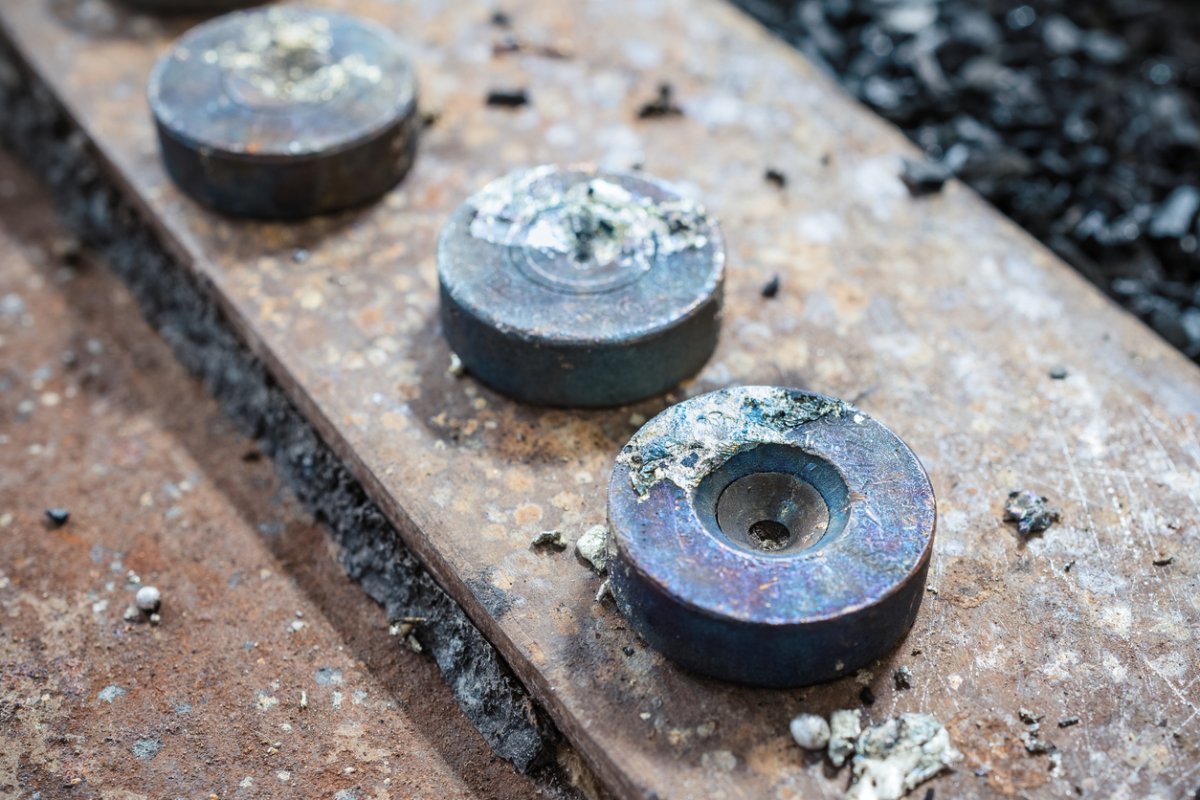
Casting surface finish refers to the texture, smoothness, and quality of the surface of a cast part. It is determined by the process of molding and cooling and can vary based on the material being cast, the casting technique, and the post-casting treatments applied. The surface finish of a casting directly impacts its performance, appearance, and ability to meet engineering specifications.
For many industries, especially automotive and aerospace, having a smooth and accurate surface finish is not just a matter of aesthetics, but also of functionality. A high-quality surface finish can help reduce friction, increase corrosion resistance, and improve the overall strength of the casting.
Why is Casting Surface Finish Important?
1. Functionality and Performance
2. The surface finish of a casting can significantly affect its functional properties.
For example, automotive casting components, such as engine blocks or transmission parts, require a smooth surface to reduce wear and tear over time. Poor surface finish can lead to high friction, increased wear, and decreased efficiency. Smooth surfaces also improve the sealing properties of parts and reduce the risk of leaks in sensitive systems.
3. Aesthetic Appeal
While function often takes precedence in casting, the aesthetic appeal of a casting is equally important. For consumer-facing industries like automotive and electronics, the surface finish impacts the visual quality and appeal of the product. A flawless surface finish adds value to the end product and reflects well on the quality of the casting process.
4. Durability and Corrosion Resistance
Castings with rough surfaces are more susceptible to corrosion and wear. In industries such as aluminium metal casting for marine or industrial applications, achieving a smooth, consistent surface finish is crucial for ensuring longevity and reducing maintenance costs. High-quality surface finishes also prevent the accumulation of contaminants and facilitate the application of protective coatings.
5. Dimensional Accuracy and Fit
The casting surface directly influences the part’s dimensional accuracy. Poor surface finish can result in inconsistencies in size or shape, leading to assembly issues or mismatches in applications. For high-precision industries like aerospace, automotive, and medical manufacturing, ensuring that the casting has the correct surface finish is vital for ensuring that components fit together as intended.
Common Casting Surface Finish Standards
Different casting applications require different levels of surface finish. Generally, surface finish is measured in terms of Ra (roughness average) or Rz (average peak-to-valley height) values, and these values vary depending on the intended use of the casting. Below are some common surface finish standards for various applications:
1. Automotive Castings
Automotive castings, like engine parts, require a high degree of surface smoothness to ensure functionality. Typically, automotive casting components have surface finish standards of Ra 3.2 to 12.5 µm. This ensures that the components function efficiently and can withstand high levels of stress and wear.
2. Aluminium Metal Casting
Aluminium metal casting is often used in industries that require lightweight, corrosion-resistant components. The surface finish for these castings can range from Ra 6.3 to 12.5 µm for general applications, but more precision-based applications, such as aerospace, may require an even finer finish. Aluminium castings often undergo secondary treatments like polishing or coating to meet specific surface finish requirements.
3. Industrial and Precision Castings
In industries like aerospace, medical, or electronics, the surface finish is typically more refined, often requiring Ra values of less than 3.2 µm. These industries demand the highest levels of surface quality for both functional and aesthetic reasons.
4. General Metal Casting Design
For general metal casting design applications, such as for heavy machinery or infrastructure, surface finish requirements can vary depending on the end-use. These castings often have a more rugged surface, and Ra values can range from 12.5 µm to 25 µm, though some may be treated post-casting to improve finish quality.
How to Achieve High-Quality Surface Finish in Metal Castings
Achieving a high-quality surface finish in castings involves a combination of good design practices, process optimization, and post-casting treatments. Here are some important steps to ensure you meet casting surface finish standards:
1. Optimized Metal Casting Design
The quality of the surface finish begins with the metal casting design. Ensuring proper gating, venting, and part design can help reduce surface defects during the casting process. Minimizing sharp corners and using optimal mold materials can also improve the overall surface quality of the casting.
2. Selecting the Right Casting Method
Different casting methods produce different surface finishes. For instance, sand casting typically results in rougher finishes compared to more precise methods like investment casting or die casting. Choosing the appropriate casting method based on the surface finish requirements will have a direct impact on the quality of the final product.
3. Post-Casting Finishing Processes
Often, the raw casting requires additional finishing processes to achieve the desired surface finish. Common post-casting treatments include:
a. Grinding and polishing to remove imperfections and create a smooth surface.
b. Shot blasting or sandblasting to clean the casting and improve surface texture.
c. Coating or plating to enhance surface durability, corrosion resistance, and aesthetics.
d. Heat treatment to improve surface hardness and reduce stresses.
4. Partnering with a Reliable Casting Supplier
Working with a skilled casting supplier is key to achieving the best possible surface finish. A reputable metal casting service will have the experience and technology needed to meet your surface finish standards and can guide you through the entire process from design to production.
5. Quality Control and Inspection
Rigorous quality control measures are necessary to ensure your castings meet surface finish standards. This includes visual inspections, dimensional checks, and the use of tools like profilometers to measure surface roughness accurately.
Conclusion: Ensuring High-Quality Outputs in Metal Castings
Achieving the right casting surface finish is essential to ensuring the performance, durability, and appearance of your cast components. Whether you’re producing automotive casting parts, aluminium metal casting components, or custom industrial products, following proper design practices, optimizing casting methods, and utilizing post-casting treatments can ensure you achieve the best possible surface finish.
Partnering with an experienced metal casting service or casting supplier will help you navigate the complexities of achieving dimensional accuracy and surface quality, resulting in high-quality outputs that meet your specific needs. By focusing on casting surface finish standards, you can enhance the overall functionality, longevity, and aesthetic value of your metal castings.
For your next casting project, make sure to work with a trusted metal casting service like Kormax that can deliver both quality and precision every time!