Selecting the right metal for your casting project is crucial for ensuring the success of your manufacturing process. Whether you’re working in the automotive, defense, or oil and gas industries, understanding how to select the right metal can significantly impact the performance, durability, and cost-efficiency of your components. This guide will walk you through the essentials of choosing the right metal for casting, highlighting the best metals for casting projects and providing valuable casting metal selection tips.
Understanding the Importance of Metal Selection
Choosing the right metal for casting involves more than just picking a material based on availability or cost. The properties of the metal can affect the casting’s strength, durability, and overall quality. Here’s a metal selection guide for casting that will help you navigate through the various options:
- Casting Metal Properties and Selection: Metals have unique properties such as melting points, fluidity, and strength, which affect their suitability for different casting processes. Understanding these properties is essential for making an informed decision.
- Types of Metals for Casting: The choice of metal depends on the specific requirements of the casting project. Commonly used metals include aluminum, bronze, brass, copper, and cast iron, each offering distinct benefits.
Key Metals for Casting Projects
Here’s a closer look at the optimal metals for casting applications and their uses in various industries:
- Aluminum: Known for its lightweight and corrosion-resistant properties, aluminum is a popular choice for automotive casting. It is used in components such as engine blocks, wheels, and transmission cases. In the defense industry, aluminum castings are used for lightweight yet durable parts in aircraft and military vehicles. Additionally, aluminum is employed in the oil and gas industry for components like pump housings and fittings due to its resistance to corrosion and ability to withstand harsh environments.
- Bronze: This metal is valued for its strength and resistance to wear and corrosion. Bronze castings are used in defense applications for components like ship propellers and bearings. In the automotive industry, bronze is used for parts such as bushings and gears due to its excellent machinability and resistance to friction.
- Brass: Brass offers excellent machinability and is commonly used in automotive applications for parts like fittings and valves. Its good corrosion resistance makes it suitable for oil and gas applications, including various fittings and connectors. In the defense industry, brass is used for components like ammunition casings and military hardware.
- Copper: Copper’s high thermal and electrical conductivity makes it an ideal choice for automotive casting applications such as radiators and electrical connectors. In the defense sector, copper castings are used in components requiring high conductivity and resistance to corrosion. The oil and gas industry utilizes copper for piping and tubing due to its durability and resistance to harsh environments.
- Cast Iron: Known for its excellent castability and durability, cast iron is frequently used in automotive applications for engine blocks and brake components. In the defense industry, cast iron is used for parts such as tank components and machinery due to its strength and wear resistance. The oil and gas industry relies on cast iron for pump casings and valves due to its ability to handle high-pressure environments.
- Steel: Steel is renowned for its strength, durability, and versatility, making it a widely used metal in casting applications. It is commonly utilized in automotive components such as chassis, frames, and structural parts. In the defense industry, steel castings are essential for weapons systems and armored vehicles due to their ability to withstand high stress and impact. The oil and gas sector also employs steel for robust pipeline fittings and drill components.
- Stainless Steel: With its exceptional corrosion resistance and strength, stainless steel is often used in applications where hygiene and durability are critical. In the automotive industry, stainless steel castings are used for exhaust systems and various fittings. In the defense sector, stainless steel components are employed in naval applications and military hardware to resist corrosion in harsh environments. The food processing and pharmaceutical industries favor stainless steel for equipment and parts that must meet stringent cleanliness standards.
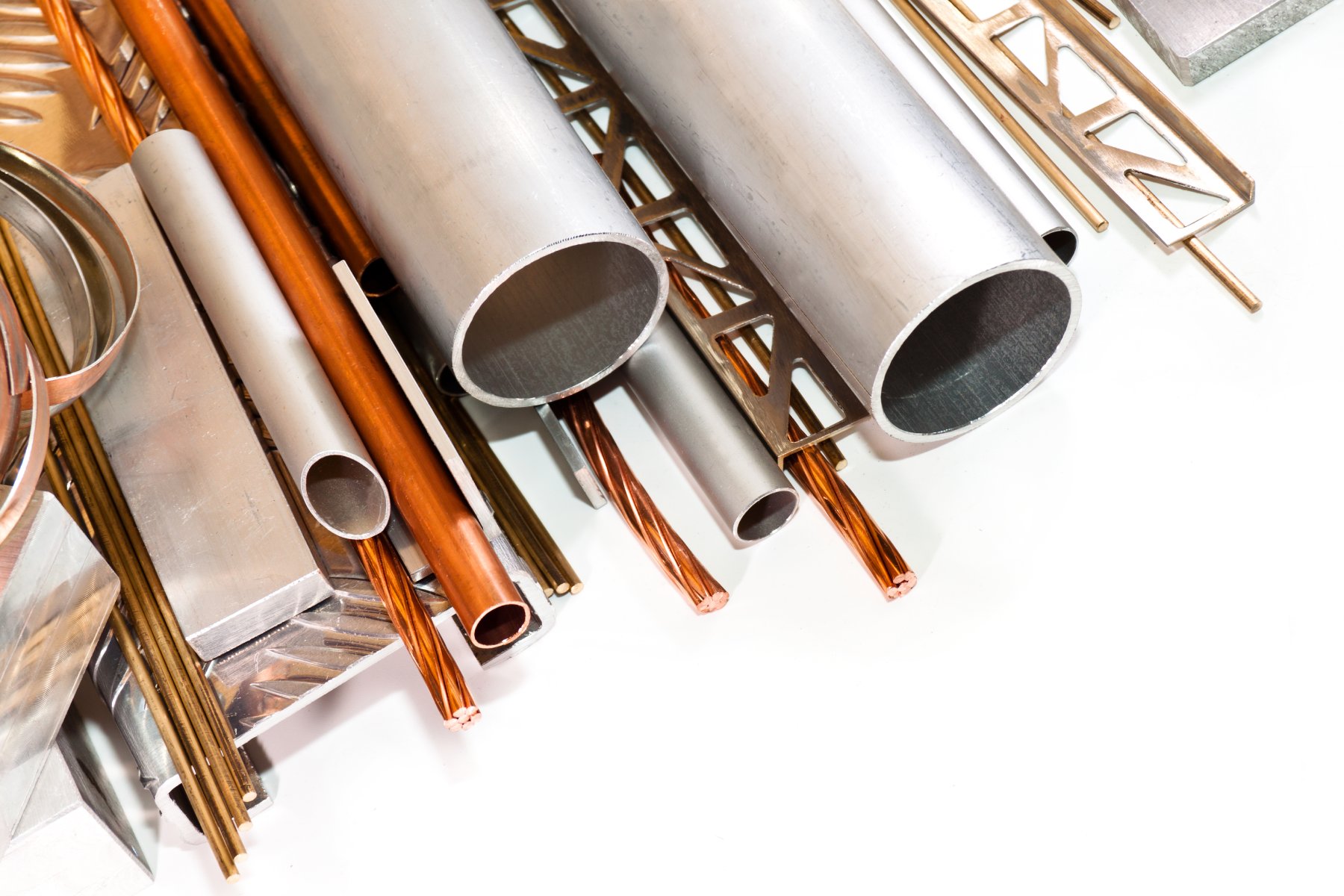
Products made using aluminum, copper, bronze and brass.
Factors to Consider When Choosing Metal for Casting
When determining the right metal for your casting project, consider the following factors in choosing casting metals:
- Mechanical Properties: Evaluate the metal’s strength, hardness, and ductility to ensure it meets the performance requirements of your application.
- Corrosion Resistance: For components exposed to harsh environments, select a metal with good corrosion resistance, such as aluminum or bronze.
- Thermal and Electrical Conductivity: Metals like copper offer high thermal and electrical conductivity, which is crucial for certain applications.
- Casting Process Compatibility: Ensure the selected metal is compatible with your chosen casting method, whether it’s sand casting, investment casting, or die casting.
- Cost and Availability: Balance the cost of the metal with its performance benefits. Metals like aluminum are often chosen for their cost-effectiveness, while others may be selected for specific performance attributes.
Casting Project Metal Recommendations
To summarize, here are some casting project metal recommendations based on industry needs:
- Automotive Industry: Opt for aluminum and cast iron for components requiring strength and lightweight properties, while bronze and brass are suitable for specific high-wear parts.
- Defense Industry: Choose aluminum, bronze, and steel for their durability and strength in critical applications.
- Oil and Gas Industry: Aluminum, brass, and copper are ideal for their resistance to corrosion and ability to withstand harsh conditions.
Conclusion
Selecting the right metal for your casting project is a critical decision that affects the performance and cost of your components. By understanding the types of metals for casting and considering factors such as mechanical properties, corrosion resistance, and process compatibility, you can make informed choices that align with your project requirements.
This guide provides a thorough overview of how to select metal for casting and offers valuable casting metal selection tips for various industries. For further insights into choosing the right metal for casting projects consult with one of our casting experts.