
Inspection Techniques for Porosity and Cracks in Metal Castings
Metal casting is a widely used manufacturing process that involves pouring molten metal into a mold to create components for various industries, from automotive to aerospace. One of the most critical aspects of metal casting is ensuring that the finished product meets the necessary quality standards. Porosity and cracks are two common defects that can compromise the strength, durability, and functionality of cast metal components. Therefore, having effective inspection techniques is essential to detect these defects early, minimize scrap, and ensure that the components perform as expected. In this blog, we will explore the common inspection methods used to identify porosity and cracks in metal castings, and why these techniques are crucial for OEM metal casting suppliers.
Understanding Porosity and Cracks in Metal Castings
Before delving into the inspection methods, it’s important to understand what porosity and cracks are and why they pose a significant concern for metal castings.
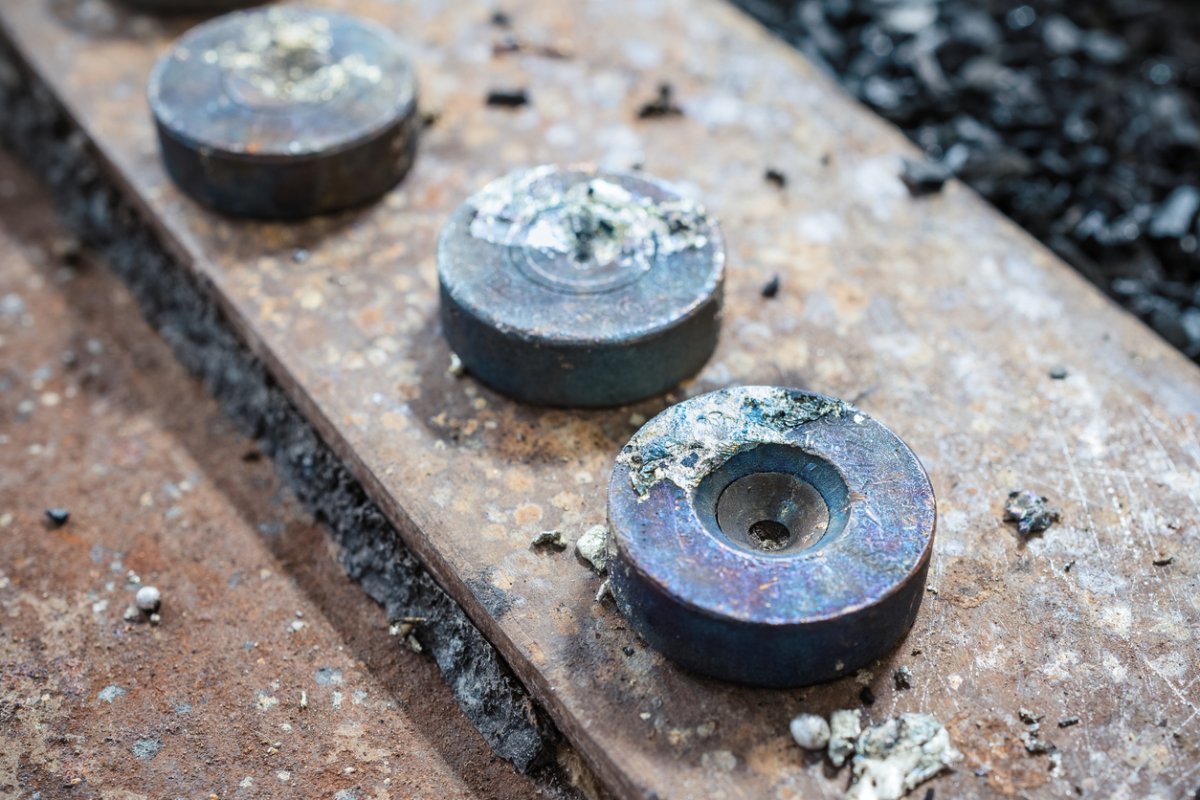
- Porosity refers to the presence of small voids or gas pockets within the casting, which can weaken the metal. These voids are often caused by trapped gases or air during the solidification process, improper mold design, or inconsistent pouring.
- Cracks, on the other hand, are fractures that can occur due to thermal stresses, improper cooling rates, or material weaknesses. Cracks can significantly reduce the strength of the cast metal and may lead to catastrophic failures if undetected.
Both of these defects can have serious consequences for the performance of metal castings, particularly for industries that rely on high-strength, precision components, such as the automotive or aerospace sectors. For OEM metal casting suppliers, identifying and addressing these issues early in the production process is critical to delivering reliable parts that meet client specifications.
Common Inspection Techniques for Porosity and Cracks
There are several inspection techniques available to detect porosity and cracks in metal castings. Each method has its advantages and is selected based on the nature of the defect, the type of metal being cast, and the required level of inspection precision.
1. Visual Inspection
Visual inspection is often the first line of defense in detecting porosity and cracks. It involves a thorough examination of the surface of the casting for any obvious signs of defects, such as cracks, pinholes, or surface irregularities. While this method is straightforward and inexpensive, it is often limited to surface-level issues and may not detect internal porosity or subsurface cracks effectively.
2. Ultrasonic Testing (UT)
Ultrasonic testing (UT) is one of the most effective non-destructive testing (NDT) methods for detecting internal defects such as porosity and cracks. This technique uses high-frequency sound waves to penetrate the metal casting. When the sound waves encounter a defect, such as a void or crack, they bounce back and are recorded by sensors. The data is then analyzed to determine the location, size, and nature of the defect.
Ultrasonic testing is particularly useful for OEM metal casting suppliers who need to ensure that internal features, such as cooling channels or load-bearing areas, are free from critical defects. It provides highly accurate results and can detect subsurface porosity or cracks that may not be visible to the naked eye.
3. X-Ray Inspection
X-ray inspection is another powerful method for detecting internal porosity and cracks in metal castings. This technique works similarly to a medical X-ray, where X-rays pass through the material and are captured by a detector on the opposite side. The presence of porosity or cracks alters the X-ray’s transmission, creating an image that can be analyzed for defects.
This method is highly effective for detecting both surface and subsurface defects, making it ideal for inspecting complex castings where defects may be hidden inside intricate geometries. However, it requires specialized equipment and expertise and can be more costly compared to other methods.
4. Dye Penetrant Testing (DPT)
Dye penetrant testing is a widely used method for detecting surface cracks in metal castings. It involves applying a liquid dye to the surface of the casting, which seeps into any cracks or porosity. After a waiting period, excess dye is removed, and a developer is applied, which draws out the dye from the cracks, making them visible.
While dye penetrant testing is limited to detecting only surface-breaking cracks and porosity, it remains one of the simplest and most cost-effective methods for identifying defects, especially for cast metal components that are difficult to inspect using other techniques.
5. Magnetic Particle Inspection (MPI)
Magnetic particle inspection is a technique used for detecting surface and near-surface cracks in ferromagnetic materials. In this method, a magnetic field is applied to the casting, and magnetic particles are sprinkled onto the surface. If a crack or porosity is present, the magnetic field will distort, and the particles will gather around the defect, making it visible to the inspector.
MPI is effective for identifying cracks in ferrous castings, such as steel or iron components. It’s a reliable method that can be performed quickly, but it requires the material to be magnetic.
The Importance of Inspection for OEM Metal Casting Suppliers
For OEM metal casting suppliers, ensuring the quality of cast metal parts is crucial. Components with porosity or cracks can lead to failures in the field, costly recalls, and damage to the supplier’s reputation. Consistent and thorough inspection methods help identify defects before they become major issues, enabling manufacturers to improve quality control and reduce waste.
By using a combination of visual inspection, ultrasonic testing, X-ray inspection, dye penetrant testing, and magnetic particle inspection, OEM metal casting suppliers can ensure that their products meet the high standards demanded by industries such as automotive, aerospace, and industrial machinery.
Conclusion
Porosity and cracks are significant challenges in metal casting, but with the right inspection techniques, these defects can be detected and addressed early in the production process. Effective inspection methods like ultrasonic testing, X-ray inspection, and dye penetrant testing are essential tools for OEM metal casting suppliers striving to produce high-quality cast metal components. By implementing these inspection techniques, suppliers can enhance the reliability and performance of their products, ultimately delivering superior castings to their customers.