
Metal Casting Production
Key challenges faced in high-volume metal casting production
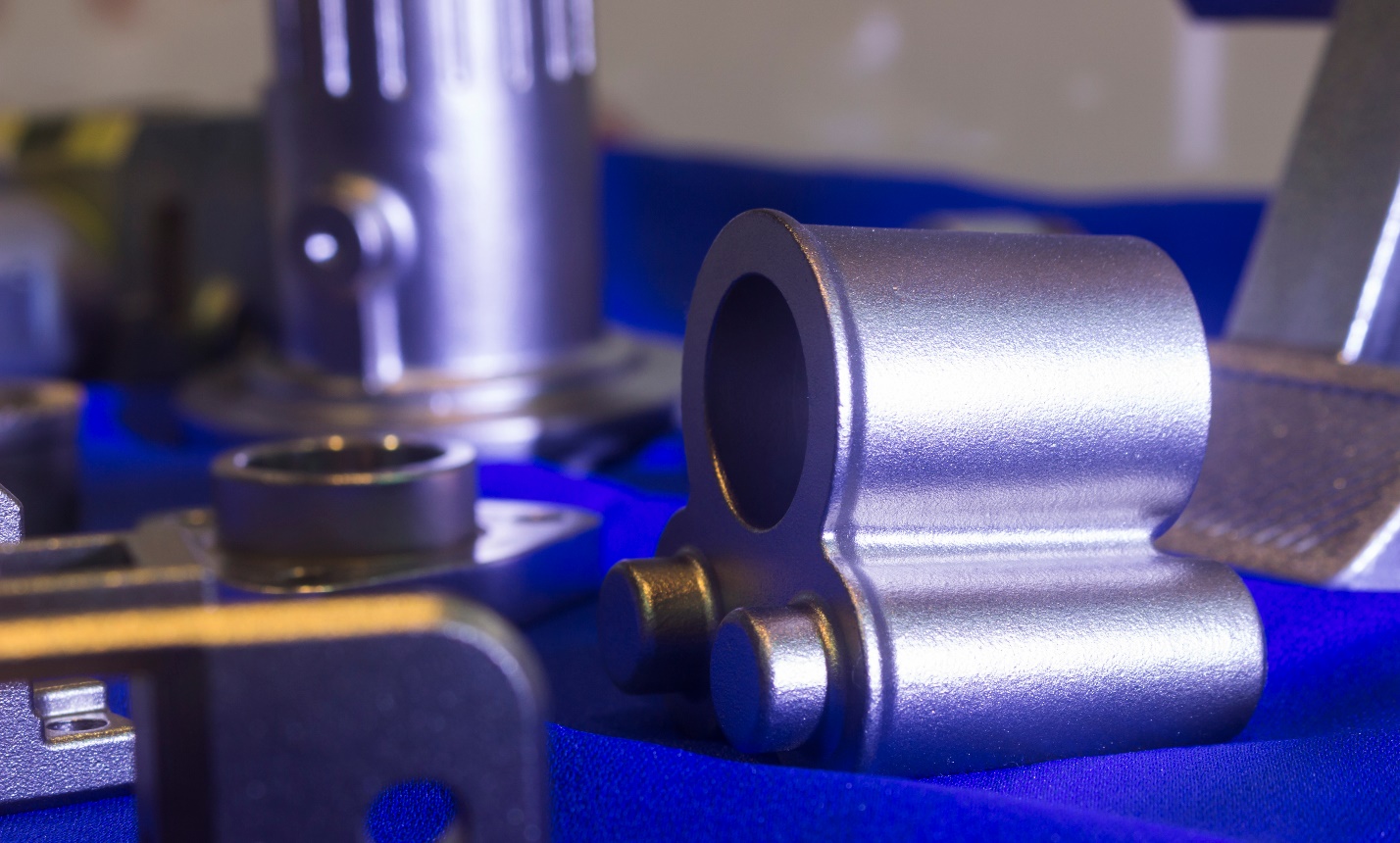
High-volume metal casting production is essential for industries that require large quantities of durable, high-performance components. Whether it’s aluminum metal casting for automotive parts, stainless steel casting for industrial machinery, or other cast metal products, the need for precision, consistency, and efficiency is paramount. For metal casting suppliers, scaling production to meet the demands of high-volume orders while maintaining quality can be challenging. In this blog, we will explore the key challenges faced in high-volume metal casting production and how manufacturers can navigate these obstacles to ensure success.
1. Ensuring Consistent Quality Across Large Batches
One of the most significant challenges in high-volume metal casting is maintaining consistent quality across large batches of metal castings. In processes like aluminum metal casting or stainless steel casting, even small variations in material composition, temperature, or mold design can result in defects like porosity, cracks, or dimensional inaccuracies. These issues can lead to costly rework, delays, or scrapped parts.
To address this challenge, metal casting suppliers must implement stringent quality control measures. This includes real-time monitoring of key variables, such as molten metal temperature, mold integrity, and cooling rates. Additionally, using advanced techniques like ultrasonic testing, X-ray inspection, and visual inspections ensures that defects are identified early and corrective actions can be taken before a batch is fully produced.
2. Optimizing Production Efficiency
High-volume production demands efficiency without sacrificing quality. A common issue in metal casting is balancing speed with precision. Ramping up production too quickly can compromise the quality of the cast metal, while slowing down the process can lead to missed deadlines and increased costs.
For metal casting suppliers, optimizing the production process is critical. Implementing automated systems, such as robotic arms for mold handling or automated pouring systems, can increase throughput while maintaining accuracy. Additionally, streamlining the mold design process and using advanced casting technologies like sand casting, die casting, or investment casting can help improve cycle times and reduce waste, all of which contribute to greater efficiency in high-volume production.
3. Mold and Tooling Wear
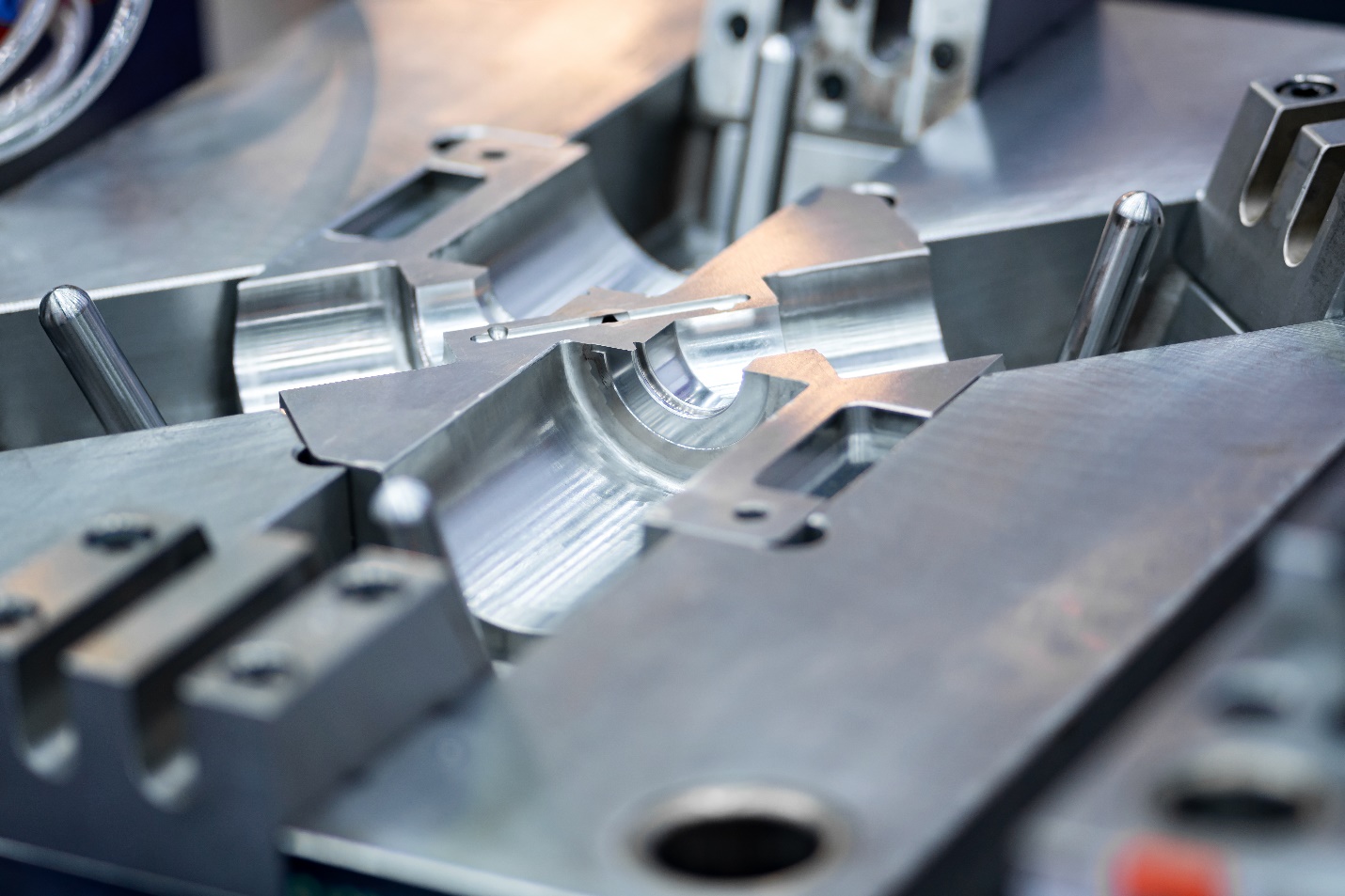
In high-volume metal casting, molds and tools undergo significant wear and tear due to the repeated exposure to molten metal and the intense heat generated during the casting process. This wear can lead to defects in the final castings, such as surface imperfections or dimensional inaccuracies, as the molds lose their precision over time.
To address this challenge, it’s essential to use high-quality, durable mold materials and implement a rigorous maintenance schedule for molds and tooling. Regular inspections and timely replacements ensure that molds are in optimal condition, preventing issues with mold degradation from impacting the quality of the cast metal.
4. Managing Alloy Composition and Material Consistency
Another challenge in high-volume metal casting production is maintaining consistent alloy composition across large batches. Even slight variations in the mix of metals can significantly impact the properties of the cast metal. In applications such as stainless steel casting, where mechanical properties like corrosion resistance and strength are critical, ensuring that the alloy composition is consistent is essential.
Metal casting suppliers must closely monitor the material composition throughout the casting process. This involves precise control over the melting, pouring, and solidification stages, as well as testing the alloy’s properties before and after casting. By using advanced technology for composition analysis, manufacturers can prevent material inconsistencies that might otherwise compromise the quality of the final product.
5. Reducing Waste and Improving Sustainability
In high-volume production, minimizing waste is crucial not only for cost control but also for sustainability. Metal casting processes inherently generate waste, including sprue and runner systems, scrap metal, and defects. In high-volume production, managing this waste efficiently is critical to maintaining profitability and environmental responsibility.
To reduce waste, metal casting suppliers can implement recycling systems that reuse scrap metal and optimize the gating system design to reduce excess material. Additionally, using casting methods that minimize material waste, such as die casting or investment casting, can help manufacturers reduce their environmental footprint while maintaining high-quality standards.
Conclusion
Navigating the challenges of high-volume metal casting production requires a balance of efficiency, quality control, and strategic planning. Ensuring consistent quality across large batches, optimizing production processes, managing mold wear, maintaining material consistency, and reducing waste are all critical factors in achieving success. For metal casting suppliers, adopting advanced technologies, implementing effective quality control measures, and optimizing production workflows can help overcome these challenges and ensure the efficient production of high-quality cast metal components. With these strategies in place, manufacturers can meet the demands of high-volume production while delivering reliable and durable cast metal products to their customers.