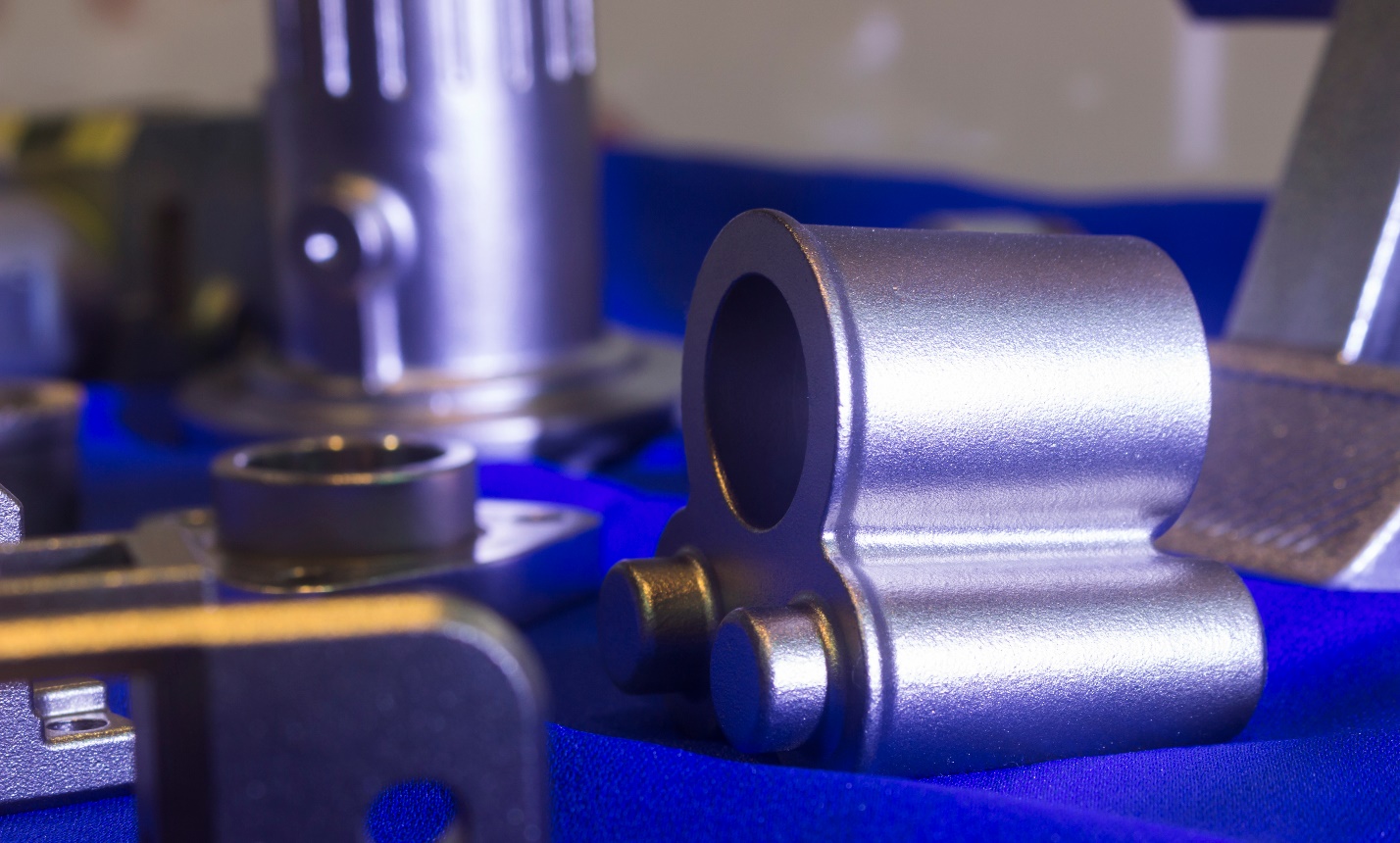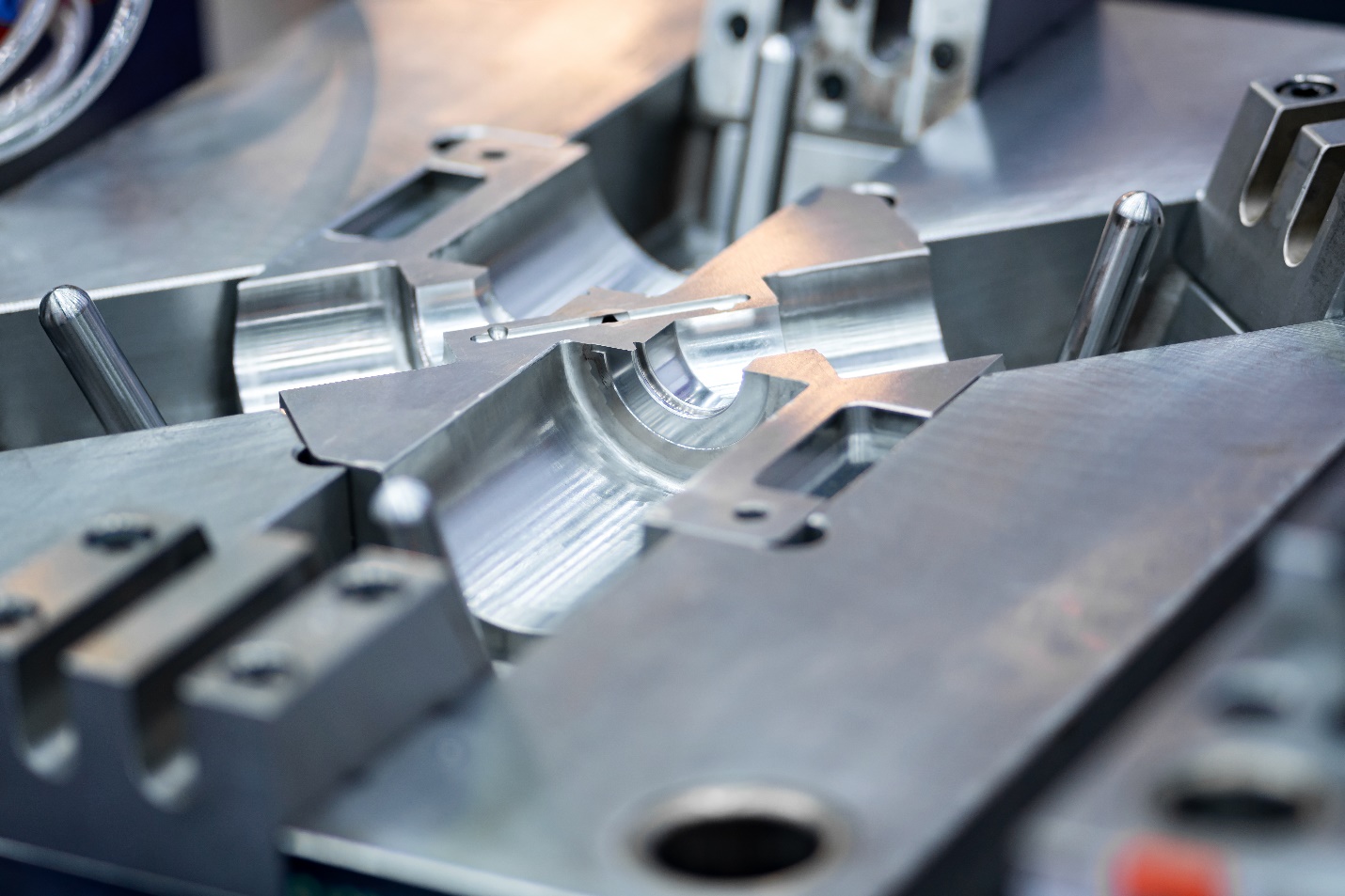

In the defense industry, precision, durability, and reliability are crucial. The choice of metal casting technique can significantly impact the performance and quality of components used in military applications. This comprehensive guide will help you navigate through the best metal casting techniques for the defense industry, providing practical tips and insights into choosing metal casting methods for defense applications.
Understanding Metal Casting Techniques for Defense Manufacturing
Selecting the right metal casting technique is essential for producing high-quality, reliable components for defense applications. Here’s an overview of the most effective metal casting techniques for defense manufacturing:
- Investment Casting: This technique is renowned for its precision and ability to create complex geometries. It is ideal for manufacturing intricate parts with tight tolerances. For instance, Lockheed Martin uses investment casting for components in their F-35 Lightning II stealth fighter. The technique allows for the production of complex engine parts and precision components that are critical to the aircraft’s performance and stealth capabilities.
- High-Pressure Die Casting (HPDC): HPDC involves injecting molten metal into a mold under high pressure, making it suitable for high-volume production. Northrop Grumman employs HPDC for manufacturing parts used in various defense systems, including missile components and aerospace parts. This method ensures durability and fine detail, which are crucial for high-performance military equipment.
- Sand Casting: Sand casting is a versatile method that handles larger and simpler parts. BAE Systems utilizes sand casting for producing components such as heavy-duty engine blocks and structural parts for armored vehicles. Despite being less precise than other methods, sand casting is cost-effective and well-suited for large components that do not require extremely tight tolerances.
Tips for Choosing the Best Metal Casting Technique
When deciding on the optimal metal casting processes for defense components, consider these key factors:
- Material Requirements: Different casting techniques are suited to various metals and alloys. For example, General Dynamics uses investment casting for high-strength alloys in their Abrams M1 tank components. Sand casting, on the other hand, is employed for larger, less complex parts in the same vehicle due to its cost-effectiveness.
- Component Complexity: The complexity of the part determines the suitable casting method. For high-precision applications, such as the Raytheon’s Tomahawk missile, investment casting is preferred due to its ability to produce complex and detailed designs. Simpler geometries, like those found in some missile launchers, may use sand casting.
- Production Volume: Consider the volume of production when selecting a casting method. Textron Systems uses High-Pressure Die Casting for high-volume production of components for their armored vehicles, ensuring efficiency and consistency. Investment casting may be chosen for smaller runs or prototypes.
- Cost Considerations: Budget constraints can influence your choice. While HPDC offers precision and efficiency, it requires significant upfront investment in tooling. Hewlett Packard Enterprise’s investment in 3D printing for prototyping new defense parts reflects how emerging technologies can complement traditional casting methods, balancing costs with innovative capabilities.
- Quality and Tolerance: The required quality and tolerance of the final component are critical. For high-precision applications in defense, such as the Boeing KC-46 Pegasus aerial refueling aircraft, investment casting or HPDC are preferred due to their ability to achieve high levels of detail and accuracy. Ensure the casting method meets the quality standards required for defense applications.
Innovations in Metal Casting for Defense Applications
The defense industry is continuously evolving, and so are the advanced metal casting techniques for defense. Recent innovations in metal casting are making significant impacts:
- 3D Printing and Additive Manufacturing: General Electric has been exploring 3D printing for producing complex components for military applications, such as engine parts and aerospace components. This technology allows for rapid prototyping and customization, contributing to more efficient and lightweight designs.
- Automation and Smart Technologies: Thales Group has integrated automation and smart technologies into their casting processes to enhance precision and consistency. These innovations ensure that components meet rigorous quality standards and performance criteria required for defense applications.
- Recycling and Sustainability: The focus on sustainability has led to innovations in recycling scrap metal and improving energy efficiency in casting processes. BAE Systems has implemented recycling programs for metal scrap in their casting operations, reducing environmental impact and operational costs.
Conclusion
Choosing the best metal casting technique is critical for ensuring the performance and reliability of components used in the defense industry. By understanding the metal casting techniques for defense manufacturing and considering factors such as material requirements, component complexity, production volume, cost, and quality, you can make informed decisions.
This comprehensive guide to defense metal casting techniques provides valuable insights into selecting metal casting techniques for military applications. Stay informed about the latest trends in metal casting methods in the defense sector and advanced metal casting techniques for defense to maintain a competitive edge and ensure the highest quality for your defense components.
For more detailed defense industry metal casting tips and guidance on choosing metal casting methods for defense applications, consult with industry experts and explore additional resources.