Understanding the Difference Between 303, 304, 316 and Duplex Stainless Steel
When selecting stainless steel round bar for an engineering project, choosing the right grade is critical. Each stainless steel grade offers a different balance of machinability, corrosion resistance, strength, and cost. Selecting the wrong grade can lead to unnecessary expense, fabrication issues, or reduced component life.
In this article, we break down the difference between 303, 304, 316 and duplex stainless steel, explaining where each grade performs best and how to choose the most suitable option for your application.
Why Stainless Steel Grades Matter
Stainless steel is not a single material. While all stainless steels contain chromium for corrosion resistance, variations in alloying elements such as nickel, molybdenum, sulfur, and nitrogen significantly affect performance.
For customers sourcing stainless steel round bar in NZ, understanding these differences helps ensure the right balance between performance, durability, and cost.
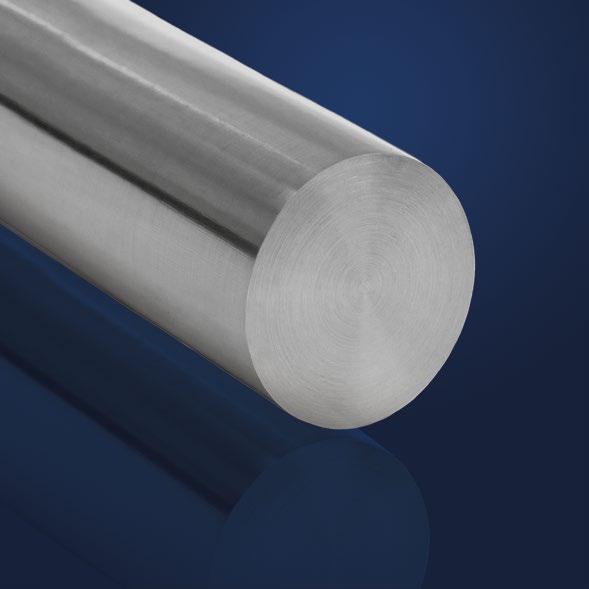
303 Stainless Steel
Optimised for Machining
303 stainless steel is an austenitic grade specifically designed for excellent machinability. It contains added sulfur, which improves chip formation and reduces tool wear compared with standard 300-series grades.
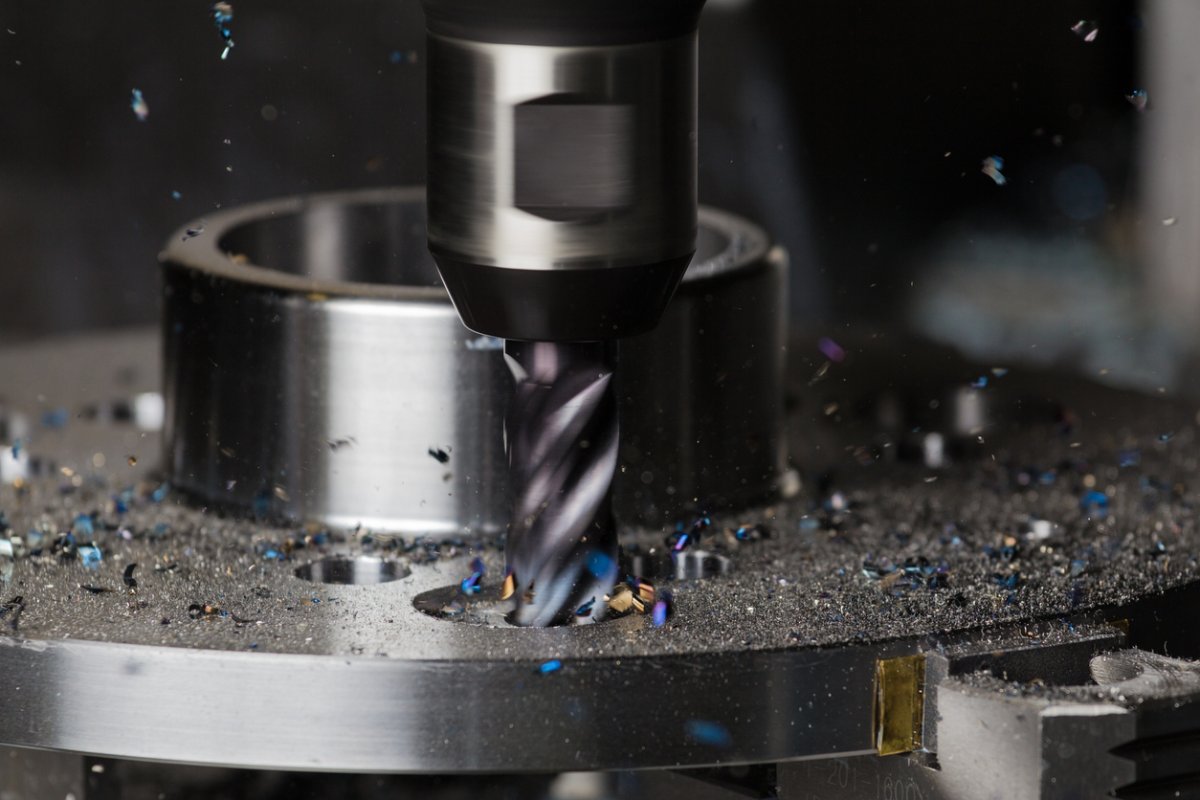
This grade is ideal where productivity and dimensional accuracy are priorities, making it a popular choice for stainless steel round bar for machining applications.
Key Characteristics:
Typical Uses:
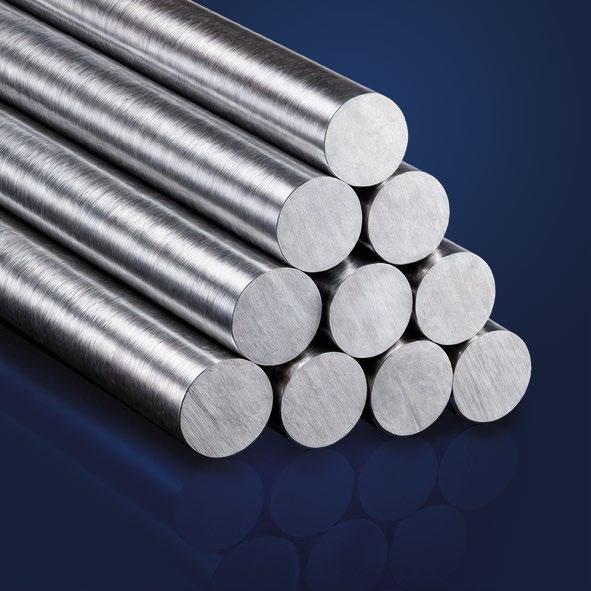
304 Stainless Steel
The Versatile All-Rounder
304 stainless steel is the most widely used stainless grade globally. It offers a strong combination of corrosion resistance, formability, and weldability, making it suitable for a broad range of applications.
For applications without aggressive corrosion exposure, 304 is often the most economical and practical choice.
Key Characteristics:
Typical Uses:
316 Stainless Steel
Enhanced Corrosion Resistance
316 stainless steel builds on the properties of 304 by adding molybdenum, which significantly improves resistance to chlorides, chemicals, and salt environments.
Where exposure to moisture, salt, or chemicals is unavoidable, 316 is often the preferred grade.
Key Characteristics:
Typical Uses:
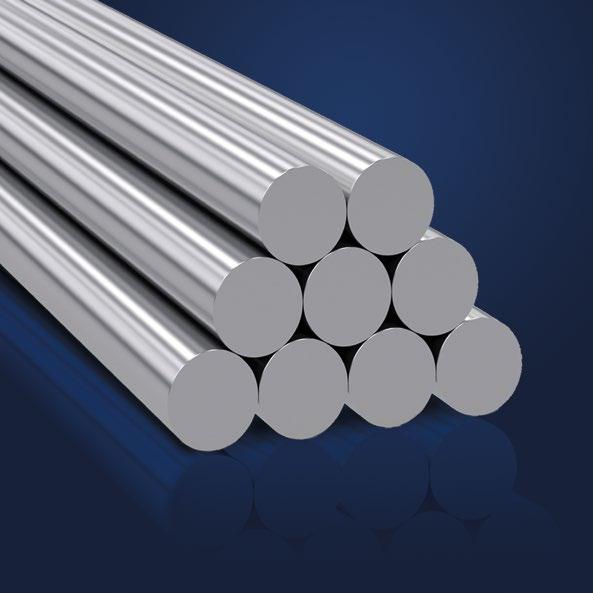
2205 Duplex Stainless Steel
Strength and Performance
2205 duplex stainless steel differs from the austenitic grades above. Its duplex microstructure provides higher strength and improved resistance to stress corrosion cracking.
Duplex stainless is typically chosen when both strength and corrosion resistance are critical, and standard grades are insufficient.
Key Characteristics:
Typical Uses:
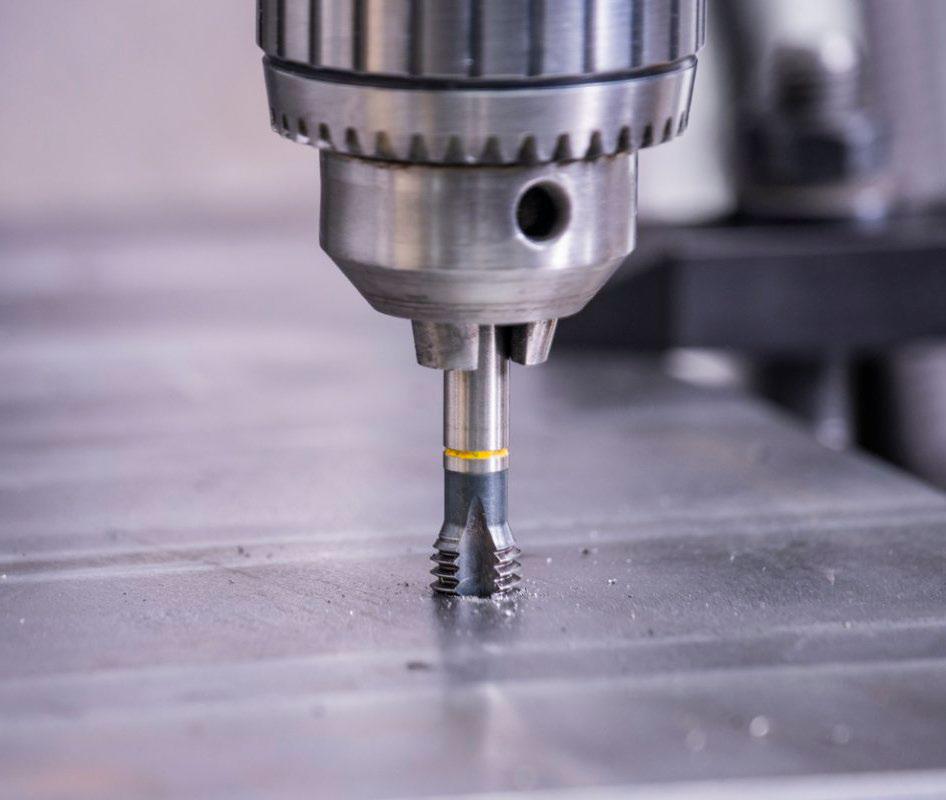
How to Choose
the Right Stainless Steel Grade
When choosing between 303, 304, 316, and duplex stainless steel, consider the following:
+ Machining requirements: 303 offers the best machinability
+ Corrosion exposure: 316 or duplex for harsh environments
+ Strength requirements: duplex stainless provides superior strength
+ Fabrication needs: 304 and 316 are better suited for welding
+ Cost considerations: avoid over-specifying higher grades where unnecessary
Understanding these factors helps ensure the correct material selection and avoids unnecessary cost or performance compromises.
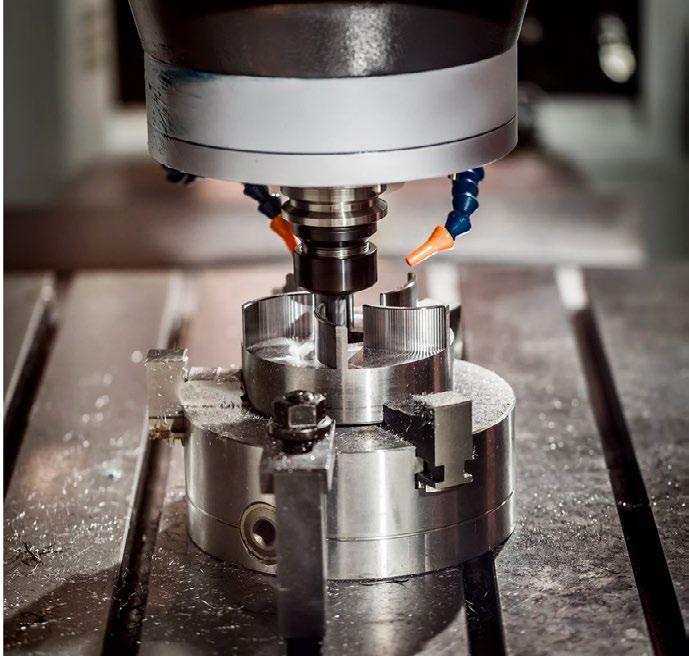
Stainless Steel Round Bar
Supply in New Zealand
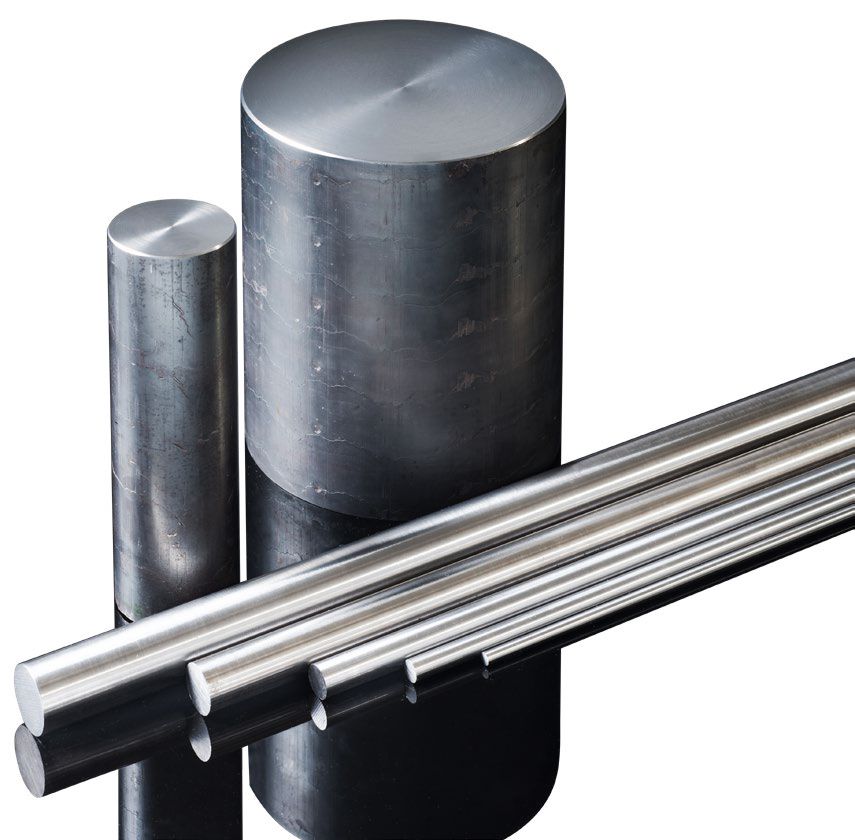
At Kormax, we supply stainless steel round bar in NZ across key grades including 303L, 304L, 316L, and 2205 duplex, with local availability, cut-to-size options, and full material certification.
If you’re unsure which grade best suits your application, our team can help guide your selection and provide pricing or availability information.
Need Help Selecting
the Right Grade?
If you have an upcoming project or require stainless steel round bar NZ, contact Kormax to discuss your requirements or request a quote.