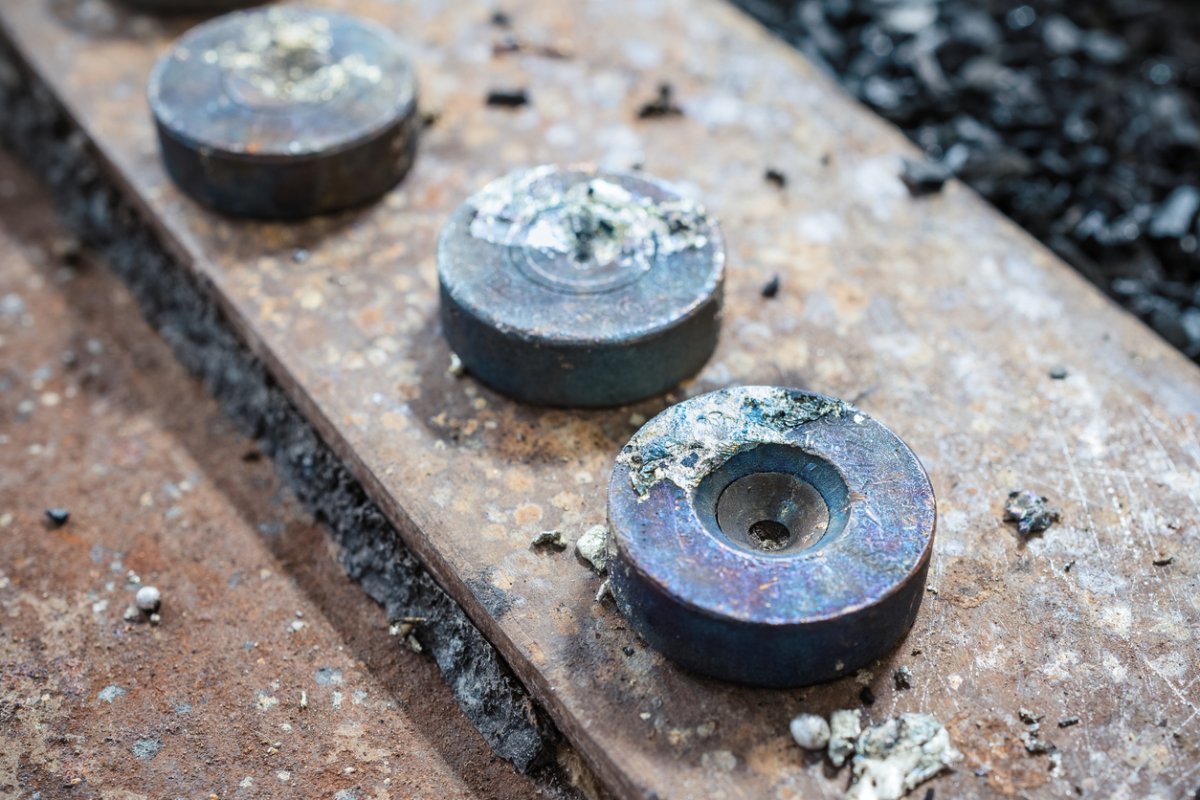

High-pressure die casting (HPDC) is a popular manufacturing process used to produce complex, durable, and high-precision metal components. It is commonly used in industries such as automotive, aerospace, and electronics, where parts need to meet exact specifications and perform reliably. The quality of high pressure die casting plays a crucial role in ensuring that components meet the desired performance, strength, and longevity. In this blog, we will explore the key quality check procedures involved in the high pressure die casting process and how manufacturers, such as Kormax, ensure that every casting meets the highest standards.
Why is Quality Checking Important in High-Pressure Die Castings?
Ensuring the quality of high pressure die castings is essential for the durability and functionality of the parts. Even minor defects in metal castings can lead to product failure, increased wear, or costly recalls. From surface imperfections to internal voids, a rigorous quality control process is necessary to ensure that each component meets the design specifications. This helps manufacturers avoid costly errors, enhance the product’s performance, and improve overall customer satisfaction.
At Kormax, we follow a comprehensive set of quality checks at multiple steps in the high pressure die casting process. Our dedicated internal quality check team inspects every metal casting thoroughly, ensuring all components meet the highest standards.
Common Quality Check Procedures for High-Pressure Die Castings
1. Visual Inspection
Visual inspection is often the first quality control procedure used in high pressure die casting. During this process, the metal castings are examined for surface defects such as cracks, surface roughness, and signs of incomplete filling or flash. Visual inspection helps identify visible defects that could compromise the casting’s performance or aesthetics.
- Key defects to look for:
- Cracks or fractures
- Excess metal (flash)
- Sink marks (areas where the material has not filled properly)
- Bubbles or voids, especially in aluminum pressure die casting products
While visual inspection is essential, it is just the first step in ensuring that the part meets the required standards.
2. Dimensional Measurement and Tolerances
Once the visual inspection is complete, dimensional checks are performed to ensure the part meets the required specifications. High pressure die casting components must meet very tight tolerances to ensure proper fit and function, especially when the parts are part of a larger assembly or system. Precision tools, such as calipers, micrometers, and coordinate measuring machines (CMMs), are used to measure critical dimensions.
- Key dimensions to check:
- Part length, width, and height
- Wall thickness
- Hole diameter and placement
- Overall shape and geometry
Ensuring accurate dimensions is essential for minimizing assembly issues and guaranteeing that the part will fit as intended in its final application.
3. Mechanical Property Testing
One of the most crucial quality checks for high pressure die casting is mechanical property testing. This testing ensures that the casting can withstand the required stresses and pressures in real-world applications. Key mechanical properties tested include tensile strength, hardness, and fatigue resistance.
- Common mechanical property tests:
- Tensile Testing: Measures how the material stretches before breaking, giving an indication of the material’s strength.
- Hardness Testing: Determines how resistant the casting is to surface indentation or wear.
- Impact Testing: Assesses the part’s ability to absorb sudden forces without cracking or breaking.
These tests are particularly important for parts used in high-stress applications, such as automotive castings, where components need to perform under harsh conditions.
4. Non-Destructive Testing (NDT)
Non-destructive testing (NDT) methods are used to detect internal defects in high pressure die casting parts that cannot be identified through visual inspection alone. Kormax utilizes advanced NDT techniques, such as X-ray inspection and ultrasonic testing, to identify porosity, cracks, or other internal flaws in the castings.
- X-ray Inspection: Provides a detailed view of the internal structure, helping to identify hidden defects like porosity or inclusions that could affect part performance.
- Ultrasonic Testing: Uses sound waves to detect flaws within the material, helping to identify issues such as air pockets or internal voids.
These NDT methods are essential for ensuring the integrity of cast parts, especially for critical components in high-performance applications like aerospace or automotive parts.
5. Leak Testing
In industries where components need to maintain sealed pressure, such as in automotive or industrial systems, leak testing is critical. Aluminum pressure die casting parts used in automotive engines, fuel systems, or cooling systems must be free from leaks to prevent malfunctions or safety hazards.
- Types of leak tests:
- Water Immersion Testing: Submerging the part in water and applying pressure to identify any leaks.
- Helium Leak Testing: A more sensitive method where helium gas is used to detect leaks. The part is pressurized with helium, and any escaping gas is measured with a mass spectrometer.
These tests ensure that high pressure die casting parts perform as expected without compromising the safety or functionality of the final product.
6. Porosity and Air Entrapment Analysis
Porosity is a common issue in high pressure die casting due to trapped air or gas during the injection process. Even small amounts of porosity can weaken a casting, leading to part failure. At Kormax, we use advanced technologies to detect and minimize porosity in metal castings.
- Reducing porosity: Effective mold design, optimal gating, venting systems, and controlling the cooling rate are essential for minimizing the occurrence of porosity.
By carefully managing these factors, we reduce the likelihood of defects and improve the overall integrity of the casting.
7. Surface Finish Evaluation
The surface finish of high pressure die casting components is an important factor, especially for parts exposed to harsh environments or those that need to meet aesthetic standards. Surface finish can also affect the part’s ability to resist corrosion and wear. A rough or uneven surface can impact the casting’s performance and durability, especially in components like automotive castings or parts exposed to high friction.
At Kormax, we evaluate the surface finish of each part using roughness testers or visual inspections. We ensure that the surface finish aligns with the required standards and is free from defects such as cracks, excessive flash, or rough textures.
Kormax’s Commitment to Quality Control
At Kormax, quality is at the core of everything we do. We follow all the necessary quality check processes at multiple stages of the high pressure die casting procedure to ensure that every metal casting is produced to the highest standards. Our experienced internal quality check team meticulously inspects each casting to verify that it meets dimensional, mechanical, and aesthetic standards.
By using advanced testing methods, such as X-ray inspection, ultrasonic testing, and leak testing, we are able to detect and correct any potential issues before they become major problems, ensuring our customers receive reliable, high-performance parts.
Conclusion
Ensuring the quality of high pressure die casting components is essential for achieving the required strength, precision, and reliability of the final product. With a combination of visual inspections, dimensional measurements, mechanical testing, non-destructive testing, and leak testing, manufacturers can guarantee that each part meets the necessary standards. At Kormax, we are dedicated to delivering superior metal castings through rigorous quality control processes and continuous improvements. By partnering with us, you can be confident that your aluminum pressure die casting, low pressure die casting, or metal casting components will meet the highest quality standards, ensuring their durability and functionality for years to come.