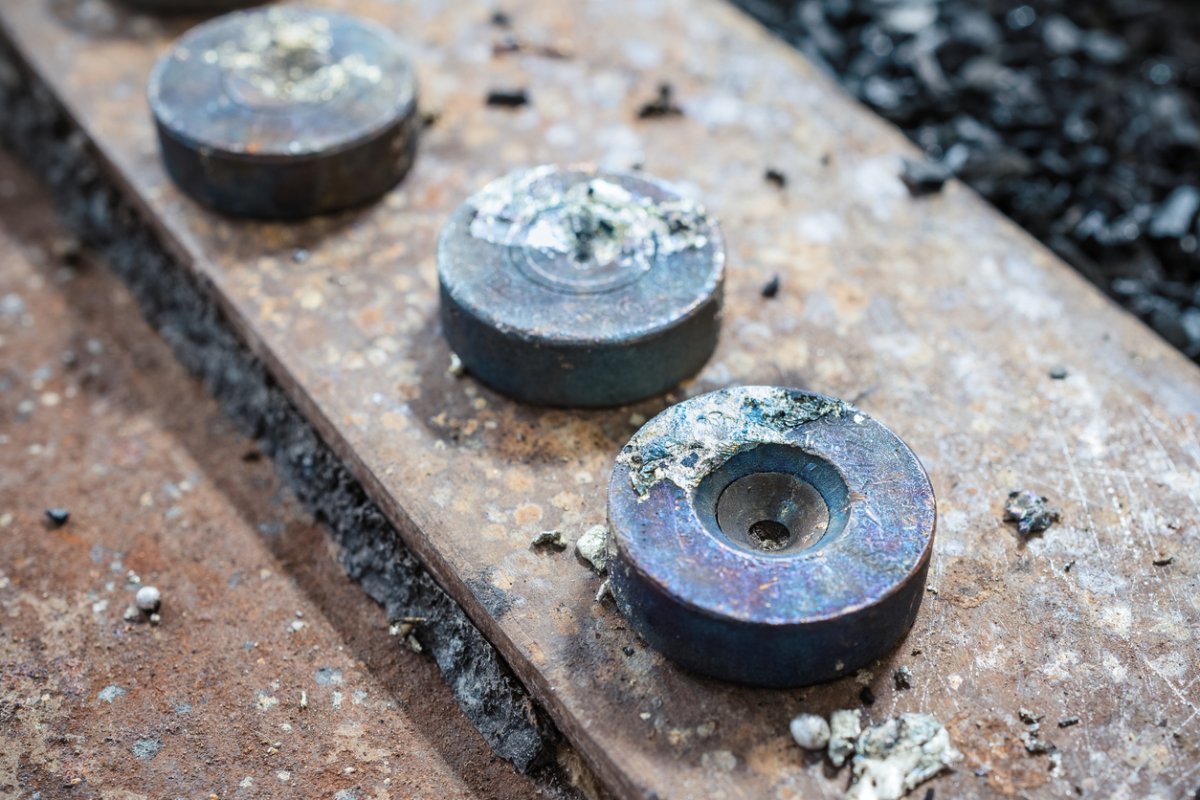

In the world of metal casting, maintaining the consistency of alloy composition is essential for producing high-quality castings. Whether you’re working with engineering alloys, casting alloys, or specific materials like stainless steel alloy and cast stainless steel, the precise control of alloy composition can significantly impact the final product’s performance and durability. In this blog, we will explore why consistency in alloy composition is so important, particularly in casting processes like alloy steel investment casting and investment casting steel alloys.
Understanding Alloy Composition in Casting
Alloy composition refers to the specific blend of metals and other elements that make up a particular alloy. For example, stainless steel alloys typically consist of iron, chromium, and nickel, with trace elements like manganese or molybdenum added for specific properties. Casting alloys, on the other hand, are designed for the casting process, where the metal is melted and poured into molds to form shapes or products.
The properties of the final casting, including strength, durability, corrosion resistance, and workability, depend heavily on the alloy composition. This is particularly true for materials like stainless steel alloy or alloy steel investment casting, where the precise balance of metals dictates how the material performs in its intended application.
The Role of Consistency in Alloy Composition
Consistency in alloy composition plays a critical role in ensuring that castings meet the required standards and perform reliably under different conditions. Here are several reasons why consistency is crucial:
1. Quality Control and Predictability
In industries like aerospace, automotive, and manufacturing, parts and components need to meet rigorous standards. A casting’s mechanical properties—such as tensile strength, hardness, and ductility—depend directly on the alloy composition. If there is inconsistency in the mix of metals, the casting may exhibit defects such as brittleness, uneven hardness, or insufficient strength, making it unsuitable for high-performance applications.
By ensuring consistent alloy composition, manufacturers can achieve predictable outcomes with each batch, reducing the risk of defects and rework. This consistency is particularly vital in processes like alloy steel investment casting, where precision is crucial for ensuring that each part meets the stringent specifications required.
2. Structural Integrity
The structural integrity of a casting depends on the uniform distribution of alloying elements. In alloys like cast stainless steel or investment casting steel alloys, small variations in composition can lead to differences in grain structure, which directly influences the strength and durability of the material. For instance, an uneven distribution of carbon or chromium in a stainless steel alloy can lead to areas of weakness, increasing the likelihood of cracks or fractures during the casting process or in the finished product.
Ensuring a consistent alloy composition helps to maintain uniformity in the microstructure of the casting, which improves its overall mechanical properties and resistance to failure under stress.
3. Corrosion Resistance
One of the key benefits of using alloys such as stainless steel alloy is their superior resistance to corrosion. Stainless steel, for example, owes its resistance to corrosion to the presence of chromium, which forms a protective oxide layer on the surface. However, any inconsistency in the chromium content of the alloy can result in areas of the casting being more susceptible to corrosion, compromising the material’s longevity.
In the case of casting alloys, whether used for marine equipment, industrial machinery, or other high-exposure environments, it is essential that the alloy’s corrosion resistance remains consistent across all castings. Without consistency in composition, the final product may not perform as expected, leading to costly maintenance or premature failure.
4. Efficient Production and Cost Savings
Maintaining consistent alloy composition is also vital for cost-effective production. Variations in the alloy mixture can lead to scrap material, defective products, and delays in production. For manufacturers working with investment casting processes, like alloy steel investment casting or investment casting steel alloys, having a uniform alloy composition streamlines the production process, minimizes waste, and ensures that each casting is as efficient as possible.
5. Meeting Industry Standards
Different industries have specific standards for the materials used in casting. For example, in aerospace or medical device manufacturing, where parts must adhere to strict regulatory requirements, even minor variations in alloy composition can lead to non-compliance. Consistent alloy composition helps manufacturers meet these industry standards while ensuring the parts maintain the required safety and performance characteristics.
Conclusion
In conclusion, consistency in alloy composition is paramount for producing high-quality castings that meet the desired mechanical properties, durability, and performance standards. Whether working with engineering alloys, casting alloys, stainless steel alloy, or investment casting steel alloys, maintaining uniformity in the alloy mix ensures predictable results, structural integrity, corrosion resistance, and cost-effective production. By investing in robust processes that ensure consistency, manufacturers can produce high-quality castings that stand the test of time, making consistency in alloy composition a crucial factor in achieving excellence in casting.