Fast, Quality Castings
Kormax went above and beyond to expedite 5 x units in a quick turnaround. The quality of the bronze and cast iron casting, machining, and service I would recommend to anyone. Looking forward to our next casting project
Nepean

Download Our Catalogues
For our full range of products and services, choose the relevant catalogue.
Download Our Catalogues
For our full range of products and services, choose the relevant catalogue.
Download Our Castings Book
View our full range of casting services.
Download Catalogue
View our full range of our services.
SAND CASTING · INVESTMENT CASTING · MACHINED TO PRINT
The casting process decides most of what a part costs: the tooling, the surface finish, and how much machining follows. Kormax supplies sand and investment castings for the US, from 0.2 lb (0.1 kg) to single pieces over 110,000 lb (50,000 kg), in carbon and low-alloy steel, stainless, iron, nickel and aluminum alloys.
This page compares the four casting processes, sets out machining and design review on supplied castings, and lists the parts and grades cast most often.
US office · 550 Albion Ave, Ste 230, Schaumburg, IL 60193 · +1 708 433 4160
Each part is matched to the foundry best suited to its size, alloy and volume. Kormax then manages the job through a single point of contact: drawing review, tooling, sample approval, production, machining, inspection and shipping.
Kormax metallurgists review every enquiry, and production runs under a full PPAP and quality-control process to the customer’s drawing and specification.

Each foundry in the Kormax foundry network is vetted for capacity, material capability and process reliability. The foundry is chosen for the part, and repeat parts can be dual-sourced where supply security matters.

Green sand, no-bake and shell mold sand casting, plus investment casting. The process is recommended on finished-part cost, not on one foundry’s capacity.

Carbon and low-alloy steel, stainless and duplex, ductile, gray and white iron, manganese steel, nickel alloys and aluminum.

Castings supplied by Kormax can be machined before delivery, so the part arrives ready to fit rather than routed to a second shop.

Tooling, samples, production, inspection and freight are managed end to end, with consignment and buffer stock available for repeat parts.

Kormax operates a management system certified to ISO 9001, ISO 14001 and ISO 45001.
Part size, volume and the finish required usually decide the process. Each of the four has its own page with full capability detail.
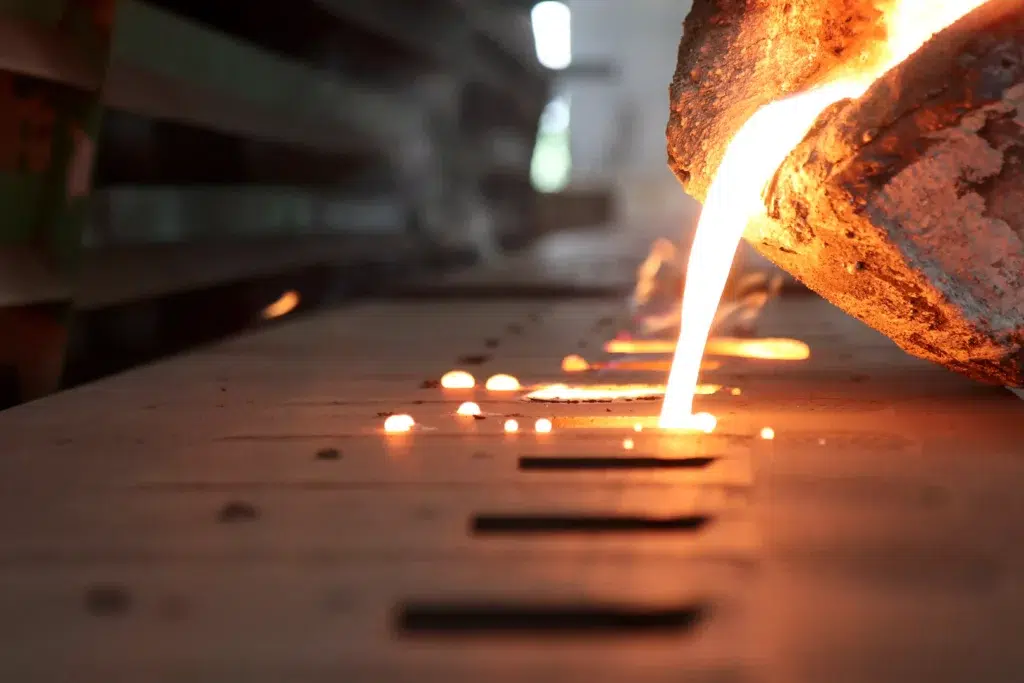
1 – 165 lb (0.5 – 75 kg)
Moist, clay-bonded sand molds. Low tooling cost and fast mold preparation make green sand the economical choice for repeat production in ferrous and non-ferrous alloys.
100 lb (45 kg) to over 110,000 lb (50,000 kg)
Chemically bonded sand cures at room temperature into a rigid mold that holds its shape for large, heavy-section components. Low-cost tooling suits low to medium volumes.
0.2 – 220 lb (0.1 – 100 kg)
Resin-coated sand cured against a heated metal pattern gives a very good as-cast finish and close part-to-part repeatability, which reduces machining on production runs. The metal pattern costs more up front, so shell mold pays back at medium to high volumes.

Up to 330 lb (150 kg) · 33 in (850 mm) envelope
Wax patterns coated in ceramic form a one-piece mold with no parting line, which gives the finest detail and as-cast finish of the four processes. Near-net shapes typically need little secondary machining; tooling cost depends on part complexity.
The table compares the four processes on the factors that usually decide the choice. Final selection depends on the drawing, the alloy and the annual volume.
| Green Sand | No-Bake | Shell Mold | Investment | |
|---|---|---|---|---|
| Part weight | 1 – 165 lb (0.5 – 75 kg) | 100 – 110,000+ lb (45 – 50,000+ kg) | 0.2 – 220 lb (0.1 – 100 kg) | Up to 330 lb (150 kg) |
| Tooling cost | Low | Low | Medium | Low – Medium |
| Design freedom | Average | Average | Good | Excellent |
| Surface finish | Medium | Average | Very Good | Excellent |
| Best for | Repeat production | Large, heavy sections | Small precision parts in volume | Intricate, near-net parts |
| Development | 4 weeks + | 4 weeks + | 4 weeks + | 4 weeks + |
| Production | 3 – 8 weeks | 3 – 8 weeks | 3 – 8 weeks | 3 – 8 weeks |
Sand processes cover the widest size range at the lowest tooling cost. Shell mold and investment casting trade higher tooling for finish and repeatability, and usually recover it where machining would otherwise add cost to every part.
Casting, machining and inspection from one supplier put one party in charge of the finished part.
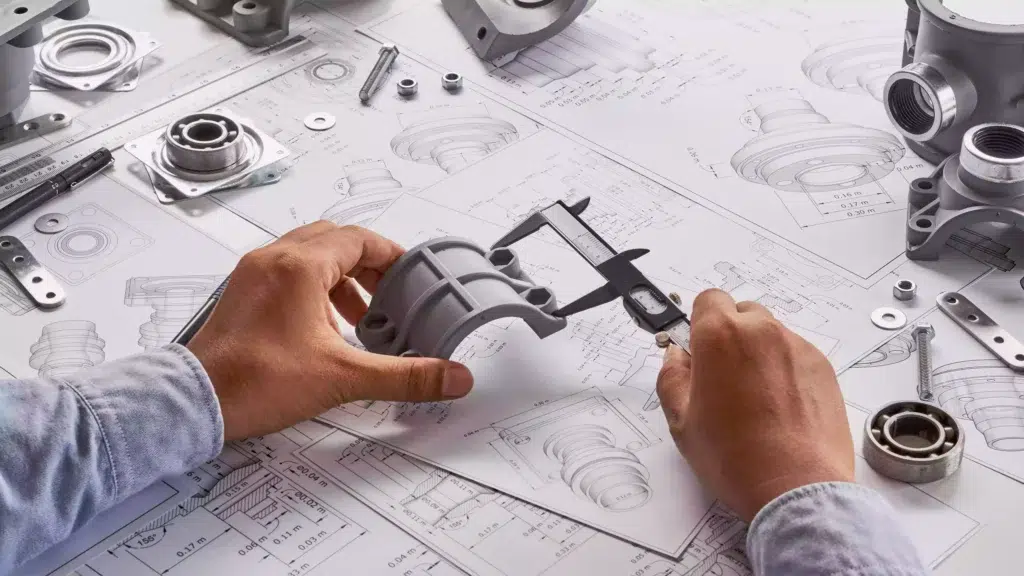
Castings are supplied raw for finishing, or machined to print: turning, milling, drilling and tapping, then inspected before shipping. Kormax machines only the castings it supplies.
Design review for parts Kormax will cast: alloy selection by Kormax metallurgists, and MAGMASOFT® casting simulation where the part needs it, to set gating and predict defects before tooling is cut.
These are the components cast most often, with the grades they are cast in and the industries that specify them. Parts outside this list are often still in range; the drawing settles it.
Casings, impellers, wear plates, back covers, valve bodies and manifold blocks for pump and valve OEMs and hydraulic equipment builders. Cast in ductile iron, carbon steel to ASTM A216 WCB, and CF8M and CF3M stainless, then machined, pressure-tested and finished to drawing.
Pump volutes and impellers, valve and hydrant bodies, screen and aeration frames, and gearbox and drive housings for municipal and industrial water equipment OEMs. Corrosion-resistant stainless for wetted parts; ductile iron for housings and covers.
Wear and structural castings for crushers, screens, mills, conveyors and slurry handling: mantles and bowl liners, jaw and cheek plates, pump wet ends, chute and feeder components. Manganese steel to ASTM A128, white and Ni-hard irons, and high-chrome grades where abrasion, not load, sets part life.
Structural and hydraulic castings for earthmoving and forestry machinery: cylinder end caps, pivot and linkage housings, axle and transmission components, and counterweights. Ductile iron and low-alloy steel to ASTM A148 Gr 105-85, cast and machined to the build schedule.
Surface and balance-of-plant castings: valve and pump bodies, compressor and turbine housings, heat exchanger components and pressure-containing parts. Carbon steel to ASTM A216 WCB, low-alloy grades for elevated temperature, and duplex and super-duplex stainless for sour and produced-water service.
Contract machine shops and industrial equipment builders source castings through Kormax to keep their machining capacity full: rail, material handling, compressor, gearbox and general industrial components. Supplied raw for finishing or machined to print, from prototype to production quantities.
A new casting follows seven steps, with quality checks at each stage from design review to production, so the sample approved is the part delivered.
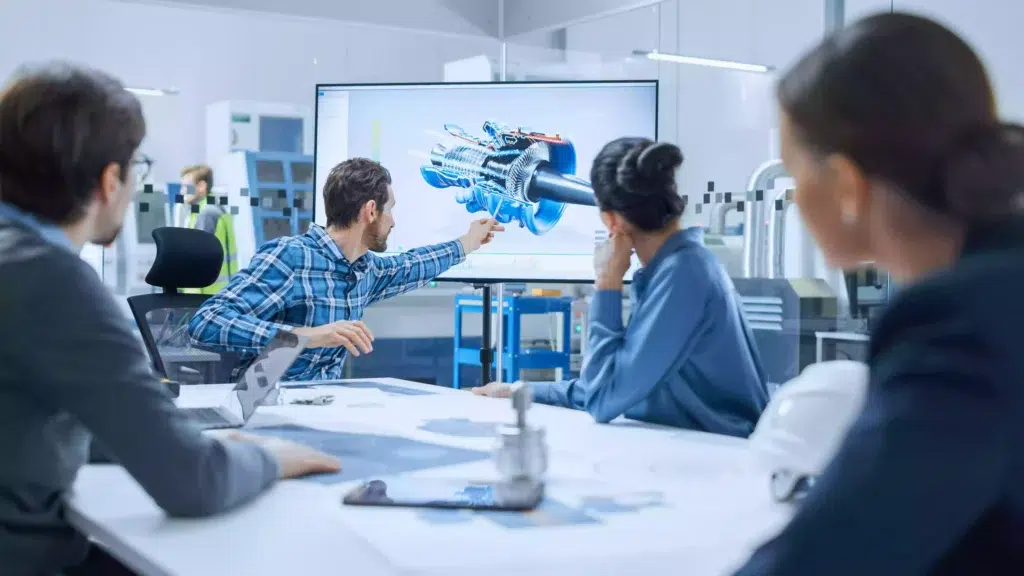

Step 1
Part, specification and volumes reviewed at an initial project meeting.
Step 2
Project plan set and engineering team briefed.
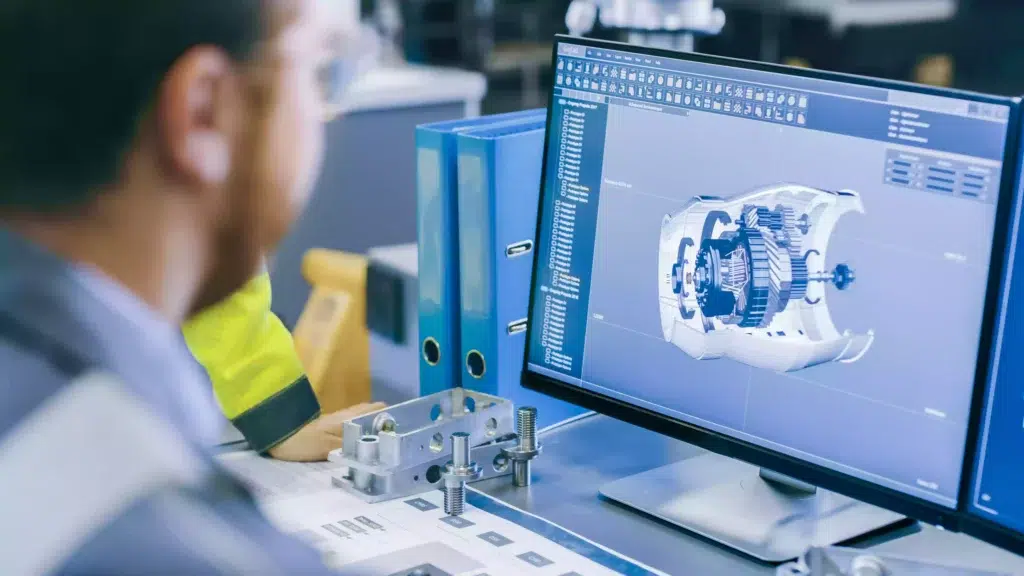
Step 3
Design optimizations for casting agreed with the customer’s engineers.

Step 4
Casting method, tooling and pricing options presented.
Step 5
Iterations until all design and quality requirements are met.

Step 6
Final drawing signed off and contract details agreed.

Step 7
Production run and delivery to the agreed dates.
Kormax manages the supply chain between the drawing and the delivered part. Four points set out how.

Dual-sourced foundries, consignment and buffer stock, and scheduled supply programs for repeat parts.

PPAP-based development and quality procedures from design review to production.

Parts are tendered across the foundry network, with low-cost tooling options and no hidden surcharges.

Every enquiry is checked by Kormax metallurgists for alloy and process fit before it is quoted.
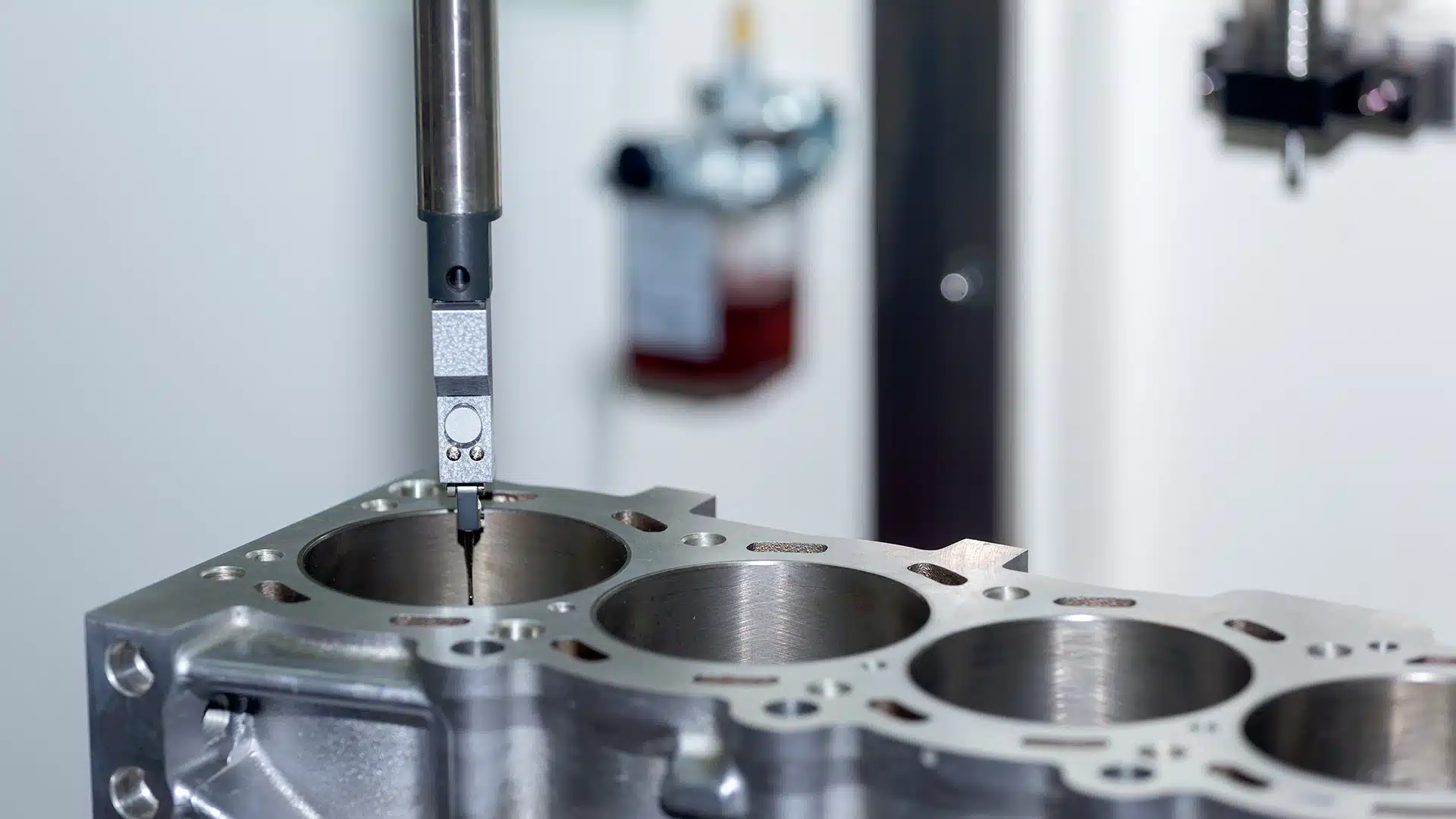
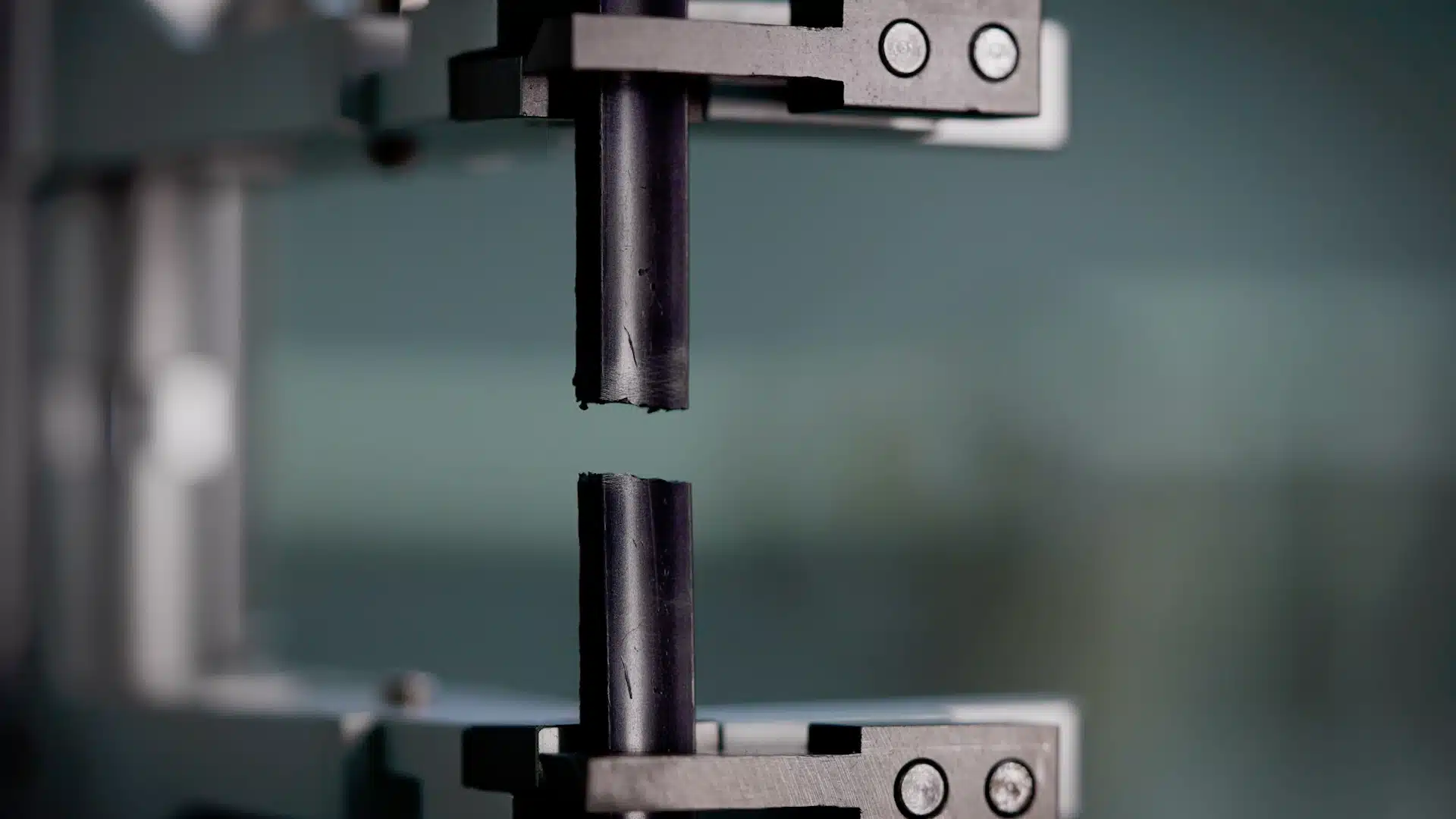
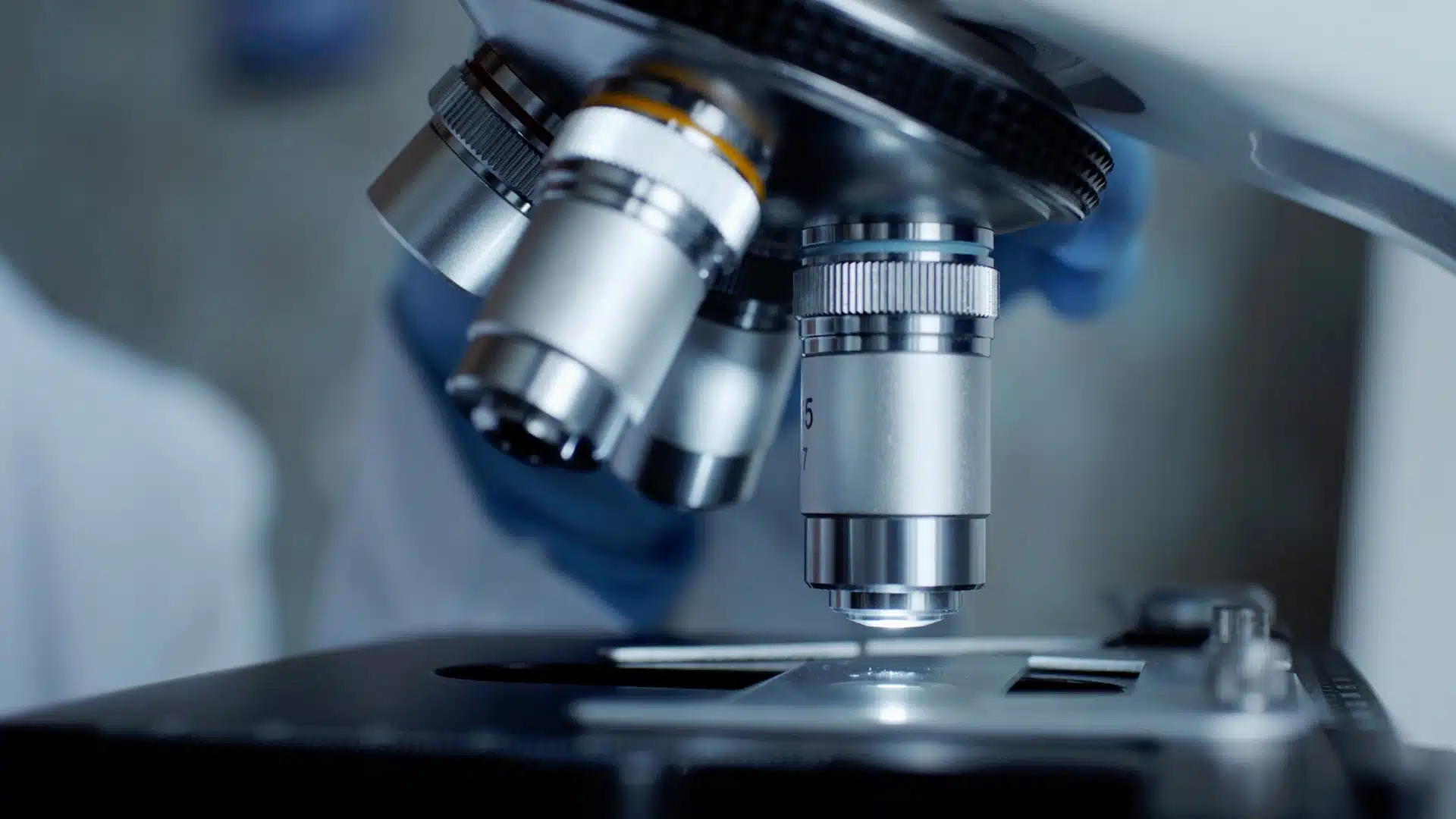
Every casting is made to the customer’s drawing and specification under a full PPAP and quality-control process. Inspection and testing available:
Independent third-party inspection is standard, and material certificates and inspection reports ship with every order.
See how we help our customers achieve their engineering victories.
Kormax went above and beyond to expedite 5 x units in a quick turnaround. The quality of the bronze and cast iron casting, machining, and service I would recommend to anyone. Looking forward to our next casting project
Kormax has exceeded our expectations for our Casting supply. They have helped enhance our product design, assisted with metallurgy and have offered fast and professional service. We wouldn’t have a doubt recommending them to any serious casting buyer.
They not only know their products but also understand the application of them, which is vital to ensuring our customers are delighted with the beautifully crafted pieces we deliver.
Kormax is great to deal with, good with their communications and never leaves us in the lurch. I would be happy to recommend Kormax.
Dealing with Kormax since late this year has been a pleasure. Good service, advice, and competitive pricing. Staff are a pleasure to deal with. Courteous, helpful, and obliging.
Kormax casts steel, stainless, iron, nickel and aluminum parts to order for the US. Send the drawing or 3D model, the alloy and the annual volume to request a quote.