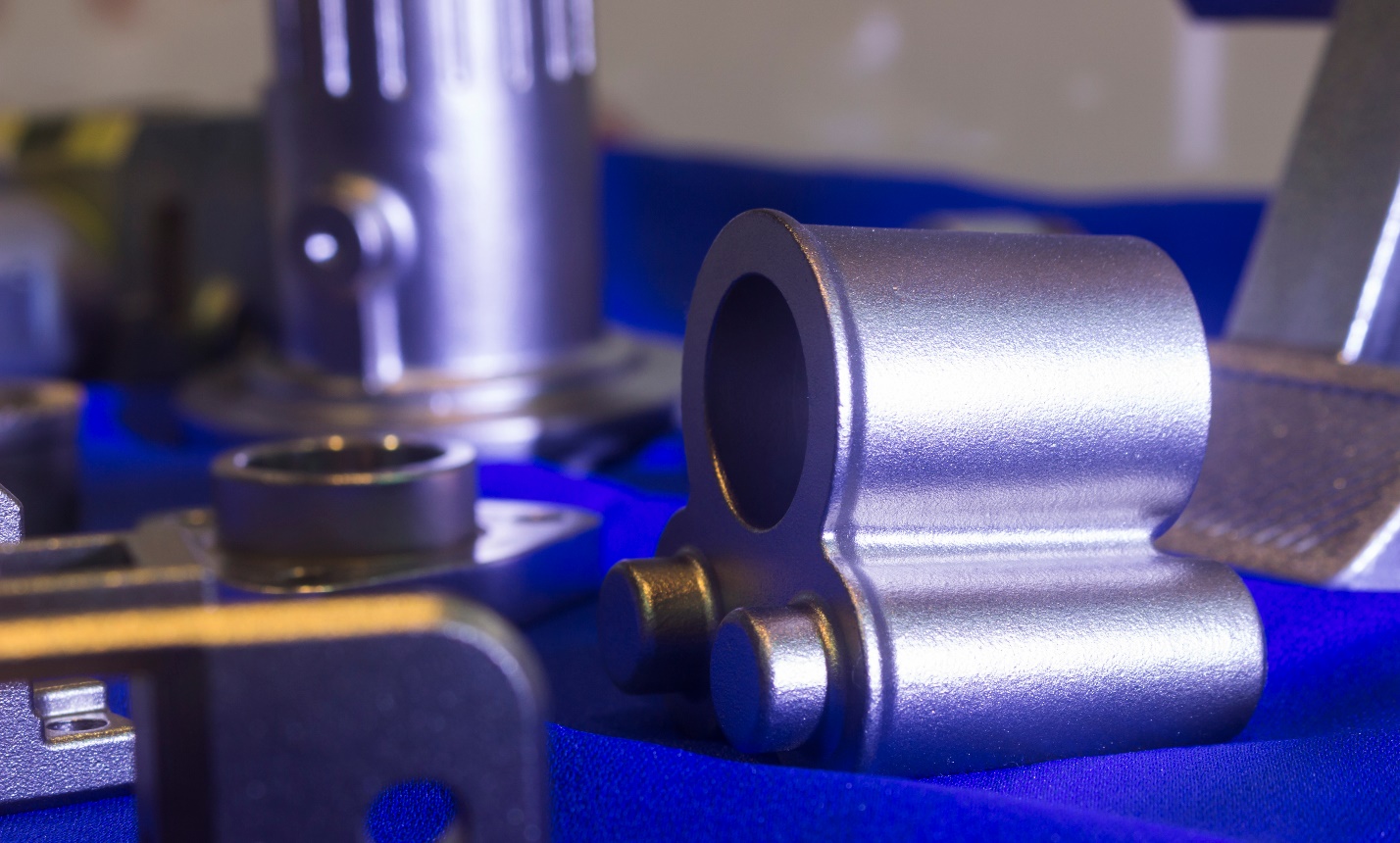
The automotive industry is evolving rapidly, driven by innovations in manufacturing processes and materials. One crucial aspect of this evolution is casting automotive parts. This technique is essential for producing high-quality, durable components that meet the demands of modern vehicles. In this blog, we’ll explore the latest metal casting trends, delve into metal casting techniques for automotive parts, and highlight innovations in automotive metal casting that are shaping the future of the industry, with real-world examples and industry references.
Current Trends in Automotive Metal Casting
Several significant trends in metal casting for vehicles are influencing the automotive industry today. These trends focus on enhancing component performance, reducing environmental impact, and improving manufacturing efficiency.
- Adoption of Lightweight Materials: A prominent trend is the increasing replacement of traditional steel components with lightweight metals known for their high strength-to-weight ratios, such as aluminium castings and magnesium alloys. For example, Tesla has extensively used aluminium castings in their chassis, particularly in models like the Model S, Model 3, Model X, and Model Y. Austempered Ductile Iron is also gaining traction for applications like brackets, transmission components, and steering knuckles in vehicles. While aluminium has been a common automotive material for over 20 years, the shift towards these advanced materials highlights the ongoing evolution in automotive engineering.
- Enhanced Casting Techniques: Modern metal casting techniques for automotive parts emphasize precision and quality. General Motors (GM) has adopted advanced die casting techniques to produce complex components with high dimensional accuracy for their engines and transmission systems. This technique has been critical in enhancing the performance and reliability of GM’s high-performance vehicles.
- Integration of Smart Technologies: The use of smart technologies in metal casting processes is gaining traction. Magna International, a global automotive supplier, has integrated sensors and automation systems in their casting operations to ensure consistent quality and efficiency. This innovation helps in monitoring real-time data and adjusting processes to maintain optimal production conditions.
Advanced Metal Casting Methods for Cars
The automotive industry is seeing notable advancements in advanced metal casting methods for cars. These methods are transforming component production by improving performance and manufacturing efficiency.
- High-Pressure Die Casting (HPDC): HPDC is widely adopted in the automotive industry for producing complex geometries with excellent surface finishes. Pioneering companies like Mercedes-Benz were among the early adopters of HPDC for automotive components. Today, this process is utilized by nearly every automotive manufacturer for a substantial portion of their aluminium castings. HPDC enables high-volume production of lightweight components with wall thicknesses as thin as 3-5mm (about 0.2 in), which contributes to reduced vehicle weight and improved efficiency.
- Investment Casting: Investment casting is renowned for its precision and is often used to produce intricate parts from stainless steel casting. Porsche employs this technique to manufacture high-performance engine components for their sports cars. This method enables the creation of complex, high-strength components crucial for the exceptional performance of their premium models.
- Sand Casting: Although it is a traditional method, sand casting continues to be effective for producing larger iron components. Toyota uses sand casting to manufacture parts like engine blocks and cylinder heads. Cast iron sand castings are valued for their excellent hydraulic pressure retention, good lubrication properties, and heat resistance, making them well-suited for engine components.
Innovations Driving the Future of Automotive Metal Casting
Several key innovations in automotive metal casting are driving the future of the industry. These advancements are enhancing the efficiency and sustainability of metal casting processes.
- 3D Printing and Additive Manufacturing: Audi has adopted 3D printing to create complex, lightweight components. The company utilizes additive manufacturing for both prototype parts and low-volume production, showcasing how 3D printing is transforming traditional casting methods. However, the limitations of 3D printing, such as material selection and production speed, mean it is unlikely to fully replace casting soon.
- Computer Numerical Control (CNC) Machining: Improvement of CNC machining alongside casting processes enhances precision and customization. For instance, Tesla uses CNC machining to refine custom cast iron components for their electric vehicles, ensuring they meet high-quality and performance standards.
- Recycling and Sustainability Initiatives: There is a growing focus on sustainability in metal casting. Honda has implemented recycling programs for scrap metal in their casting operations, significantly reducing waste and energy consumption. These initiatives align with the company’s commitment to environmental responsibility and efficient manufacturing practices.
Conclusion
Casting automotive parts remains a cornerstone of the industry, with evolving automotive metal casting trends and metal casting techniques for automotive parts playing a critical role in
shaping the future. By staying abreast of innovations in automotive metal casting and exploring advanced metal casting methods for vehicles, manufacturers can enhance efficiency, performance, and sustainability. Real-world examples from leading automotive companies illustrate how these advancements are applied, offering insights into the future of automotive parts manufacturing.
For those involved in automotive manufacturing, keeping up with these trends in metal casting and understanding the latest metal casting processes for the automotive industry is essential for staying competitive and meeting the demands of modern vehicle production.
Feel free to explore these developments further and consider how they might impact your manufacturing processes. Stay informed about the latest advancements to ensure you are leveraging the best practices in automotive metal casting. This is why we at Kormax always provide the best advice after understanding your requirements. Speak to a Kormax expert today to find the best fit for your needs.