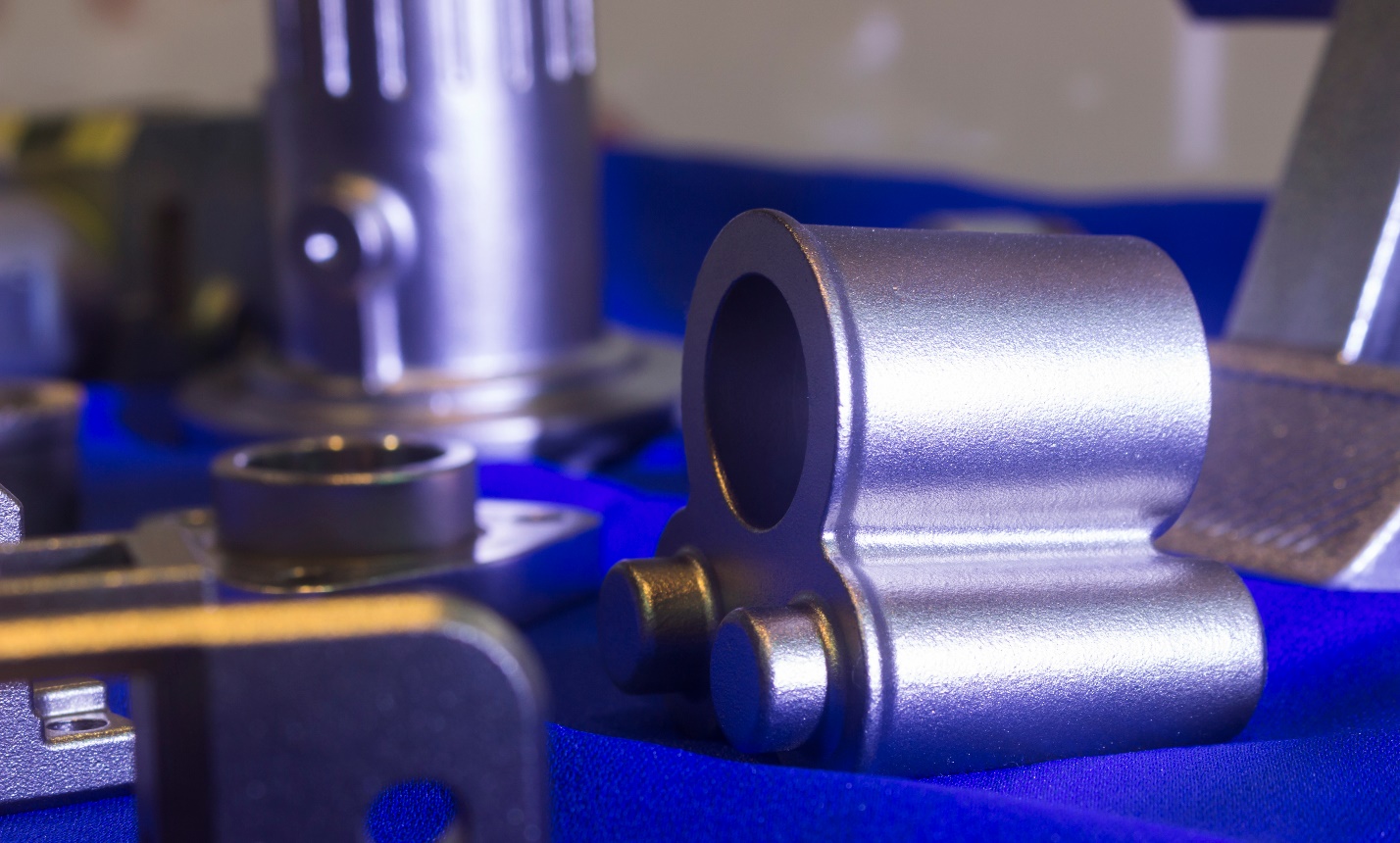
Machining is a critical component in the metal casting process, playing a key role in transforming cast parts into high-precision components ready for various applications. From CNC machines to a drill press, the machining process ensures that cast metal parts meet exact specifications and performance standards. In this blog, we’ll explore what machining includes and how different machines contribute to this essential process, particularly from the perspective of metal casting.
Understanding Machining in Metal Casting
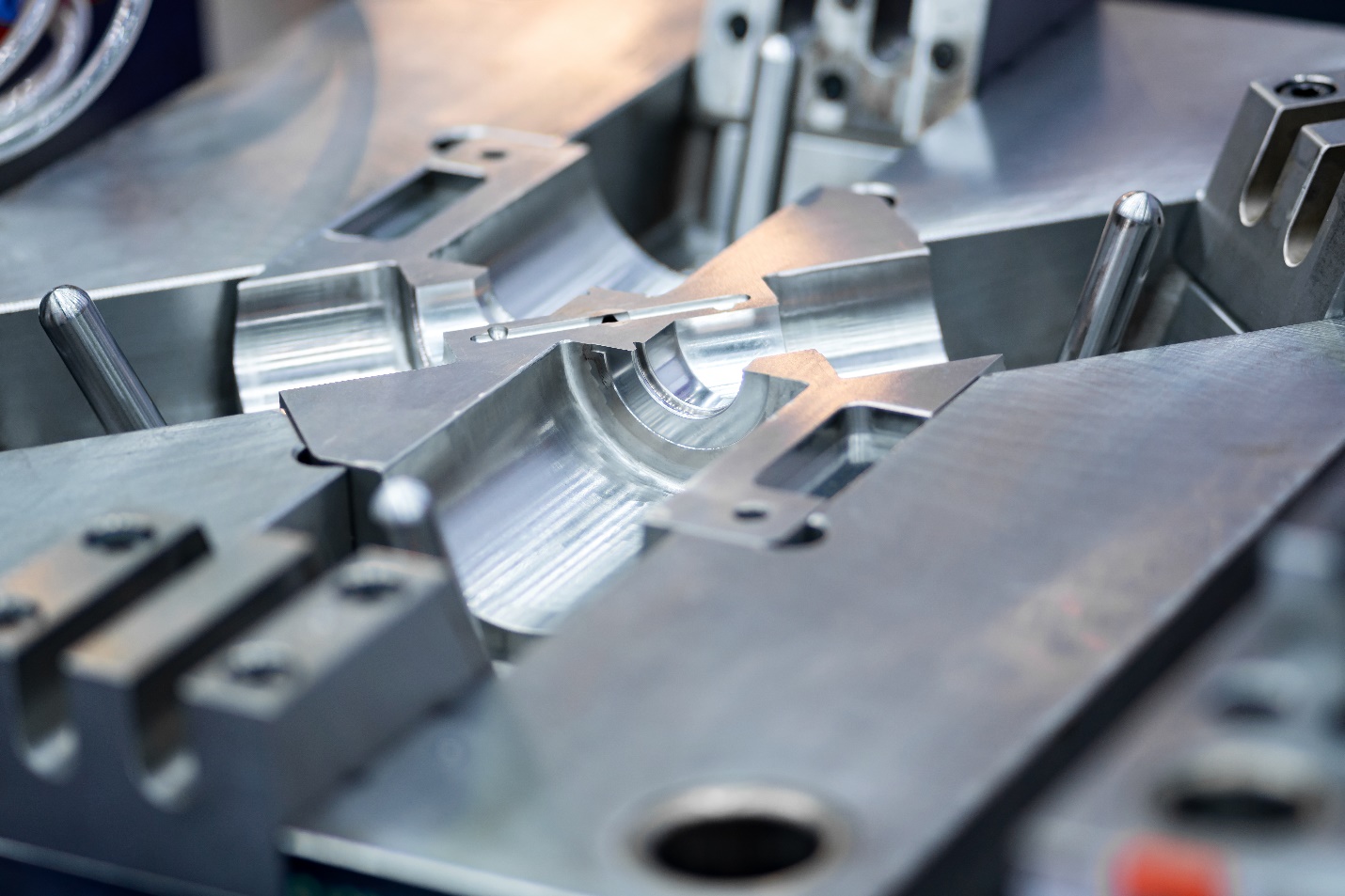
High precision die mold for casting automotive aluminium parts makes with steel by drilling and CNC operations.
Machining involves removing material from a casting to achieve the desired shape, size, and finish. In the context of metal casting, it is the final step that refines cast parts, ensuring that they meet precise tolerances. Here’s a breakdown of some machining processes and the various machines involved:
1. CNC Machines: CNC (Computer Numerical Control) machines are at the forefront of modern machining technology. They offer high precision and automation, making them ideal for producing complex and intricate parts. CNC machining services can handle tasks such as milling, turning, routing and drilling with exceptional accuracy, which is crucial for metal castings that require tight tolerances.
2. Lathe Machines: Lathe machines are used to perform turning operations on metal castings. They rotate the workpiece while a cutting tool is applied to achieve cylindrical shapes. Lathe machining is essential for creating parts like shafts, spindles, and other round components that require a smooth finish and precise dimensions.
3. Drill Press: A drill press is used to create holes in metal castings with accuracy. It provides stability and control, ensuring that holes are drilled perpendicular to the surface and meet specified diameters and depths. This machine is essential for adding features such as mounting holes and tapping the hole for an attachment point using a bolt or screw.
4. Welding: Welding machines are used to join metal parts together. In the metal casting process, welding is often employed to attach additional components to the casting While not a traditional machining process, welding is closely related to machining as it enhances the functionality of cast components.
5. Hydraulic Press: A hydraulic press applies compressive force to “press fit “another component on to the casting.
The Role of CNC Machining Services
For manufacturers seeking to ensure the highest quality of their cast parts, CNC machining services are invaluable. These services provide expert handling of complex machining tasks, leveraging advanced CNC machines to deliver precise and consistent results. By partnering with a CNC machining service like Kormax, you can ensure that your metal castings are expertly finished to meet the most stringent requirements.
Conclusion
Machining is a vital part of the metal casting process, transforming raw castings into finished components with precise dimensions where required. CNC machines, lathes, drill presses and others all play a specific role in achieving the desired results, needed by the end user. Understanding the various machining processes and tools helps ensure that your metal castings meet the required dimensions and quality attributes.
For top-notch machining services and expert assistance with optimizing your metal castings, consider partnering with a seasoned provider like Kormax. Their experience and engineering expertise ensure exceptional results.