How Does Computer-Aided Design (CAD) Improve Casting Quality?
In the world of manufacturing, precision and efficiency are crucial, particularly when it comes to the complex process of metal casting. One of the most significant advancements in recent years is the integration of Computer-Aided Design (CAD) technology into casting processes. This innovation has revolutionized the way manufacturers approach the design and production of cast components, improving casting quality and reducing defects. In this blog, we’ll explore how CAD enhances the quality of casting, especially in aluminum metal casting and green sand metal casting.
Streamlining Metal Casting Design
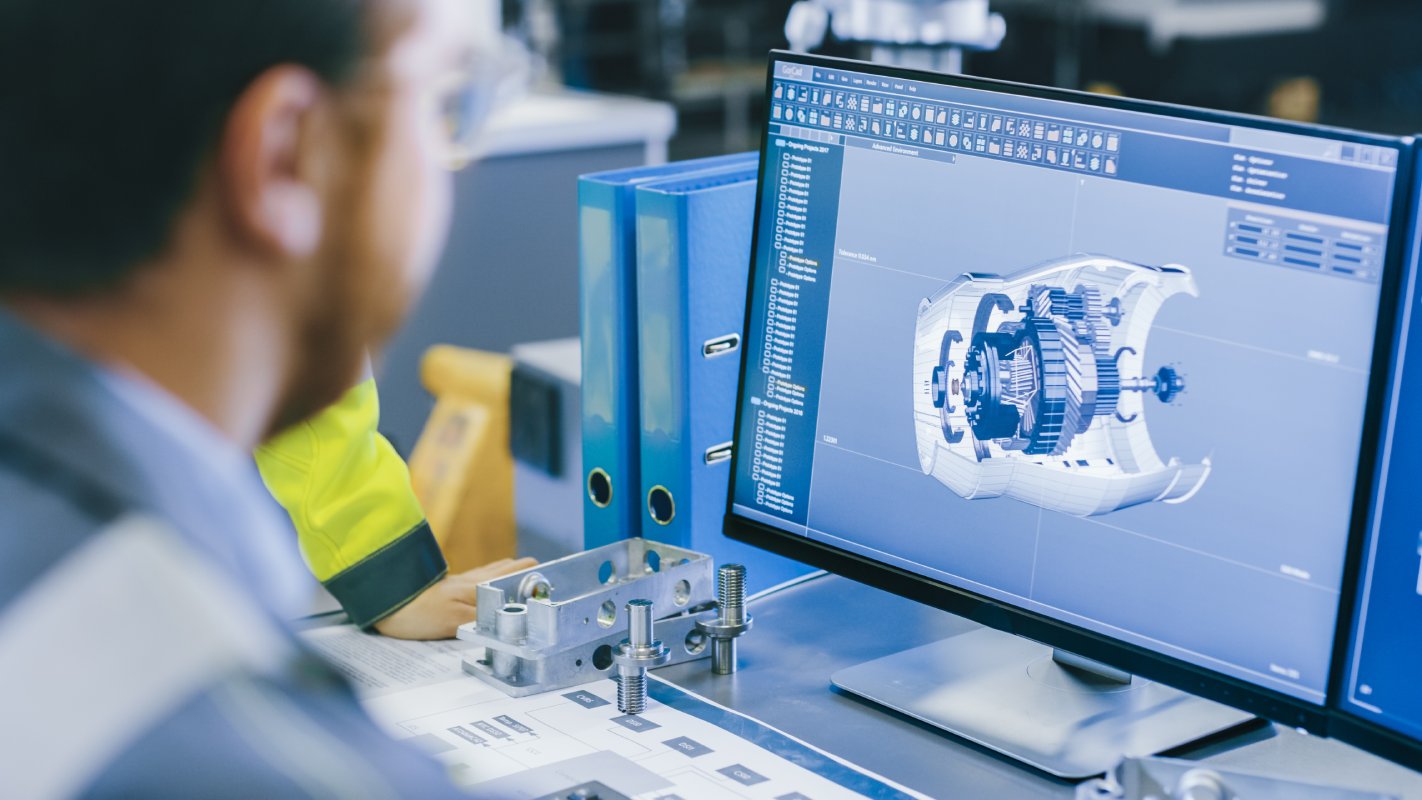
Before the advent of CAD, metal casting design was a manual and often error-prone process. Designers relied on sketches and basic 3D models, which could be prone to inaccuracies. Today, CAD software has transformed this process by allowing for highly detailed and precise 3D modeling of parts before they are even produced. This level of accuracy ensures that the casting process begins with a flawless design, reducing the likelihood of defects such as air pockets, improper dimensions, or weak spots.
For instance, in aluminum metal casting, where the quality of the mold and the flow of molten aluminum are crucial, CAD allows designers to simulate how the material will behave during the pouring process. By doing so, potential issues such as shrinkage, porosity, or misalignment can be identified and corrected before the actual casting begins. The ability to optimize the design for material flow significantly improves the quality of the final product.
Enhancing Efficiency and Reducing Errors
One of the most significant benefits of CAD in metal casting services is its ability to enhance the overall efficiency of the process. With CAD, manufacturers can quickly create, modify, and refine casting designs. These modifications can be tested and validated in a virtual environment, ensuring that any design flaws are resolved early in the process.
For OEM metal casting manufacturers, this means quicker turnaround times and the ability to meet stringent client specifications without sacrificing quality. The use of CAD also reduces the need for costly physical prototypes, as digital simulations can provide detailed insights into how the metal will behave in the mold, saving both time and money.
Optimizing Green Sand Metal Casting
Green sand metal casting, a widely used method for producing metal parts, particularly for larger or high-volume runs, also benefits from CAD integration. In this method, CAD allows for more precise mold creation by providing detailed information about the patterns and shapes required. The design of the mold can be adjusted to ensure that the metal flows correctly, reducing waste and improving the integrity of the casting.
The ability to simulate how the green sand mold will interact with molten metal is invaluable in optimizing the casting process. CAD software can help ensure that the mold is designed to minimize defects like cold shuts or misruns, ensuring a higher quality finished product.
Improved Communication and Collaboration
The implementation of CAD technology in metal casting service also improves communication between designers, engineers, and manufacturers. The 3D models produced by CAD can be easily shared and modified by multiple stakeholders, allowing for faster collaboration and a more streamlined production process. This transparency and collaboration help ensure that all parties involved are on the same page, reducing the chances of misunderstandings and errors.
Conclusion
Computer-Aided Design (CAD) has brought tremendous improvements to metal casting, particularly in the areas of aluminum metal casting, green sand metal casting, and OEM metal casting. The precision, efficiency, and ability to simulate the casting process in a virtual environment have made it easier to produce high-quality metal parts with fewer defects. Whether it’s optimizing mold design or enhancing collaboration between teams, CAD is an indispensable tool in improving the overall quality of casting processes. By embracing CAD, manufacturers can ensure they deliver superior products that meet the ever-growing demands of the industry.